Italians have a word that does not quite translate: convivialità. It is not simply eating together. It is the pleasure of staying at the table long after the plate is empty. Of pouring one more glass of wine. Of letting a conversation run on without once looking at the clock.
In a world where almost everything is consumed in a hurry, convivialità is something close to a small act of resistance. And it may be one of the most beautiful things you can live while traveling in Italy.
You will not find it in the monuments. It does not appear in the guidebooks. You cannot book it the way you book a museum. It happens when someone opens the door of their home, puts on an apron, sets the table, and makes you part of the evening.
In Florence we found a place built around exactly this idea. It is called Terracotta Cooking Lab. Created by Livio and Noemi, it grew from the wish to let Italian cooking be lived, not as a show to watch, but as a moment to share.
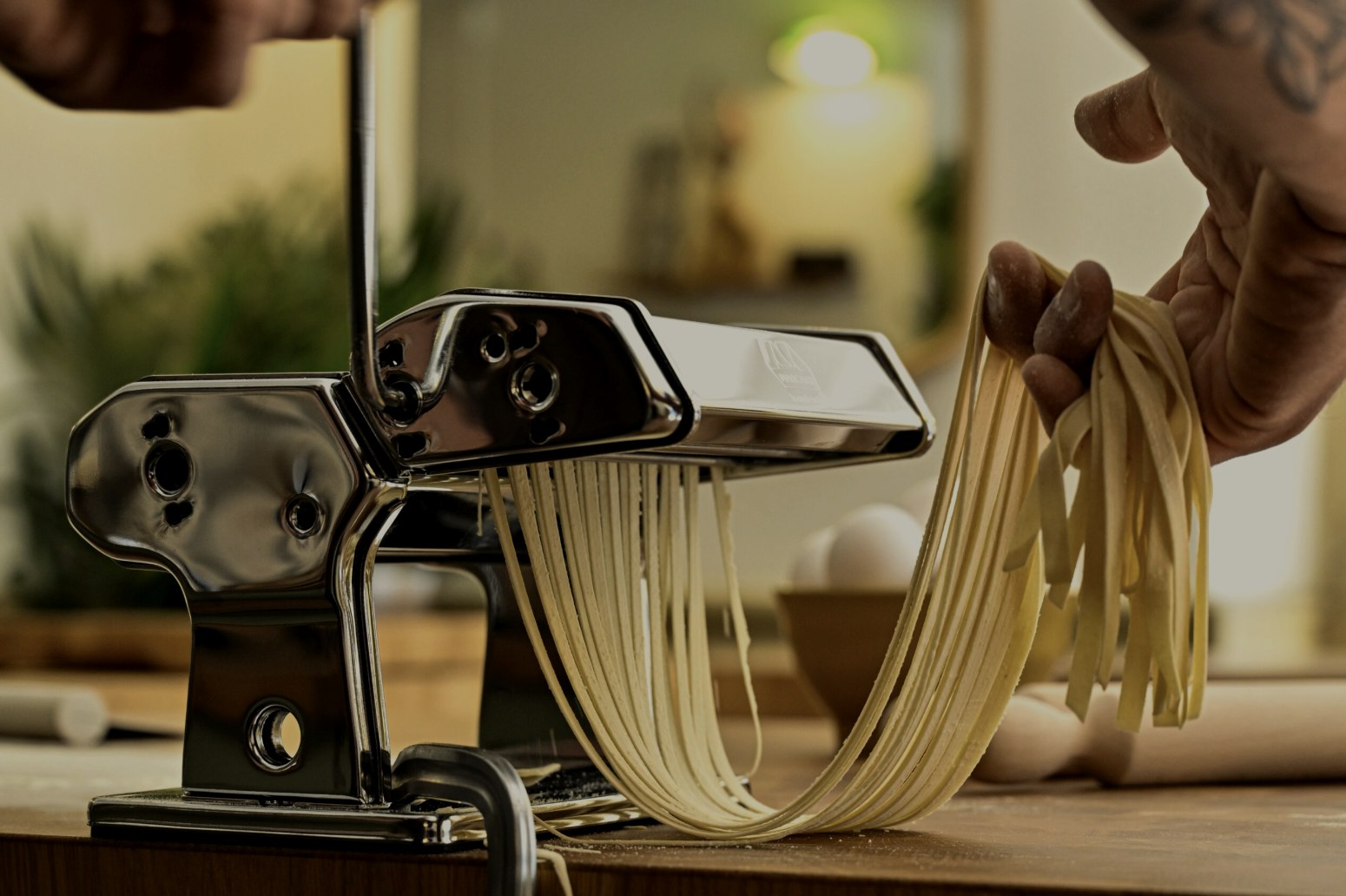
Here there is no line between the ones who cook and the ones who watch. The kitchen and the living room share the same space. Hands knead the dough. The scent fills the room. Conversations begin on their own. And a recipe becomes only the starting point.
You talk about family, about the land, about ingredients, about traditions. About the small habits that tell you more about a country than any itinerary ever could.
The groups stay small, on purpose. Each person is welcomed by name. For a few hours you stop being a visitor and become, simply, a guest.
Perhaps that is the difference. There are experiences that teach you how to make a dish. And there are others that teach you how a people lives. Terracotta Cooking Lab belongs to the second kind.
Because some places do not just tell you about a city. They let you live in it, even if only for one evening.