How do I recognise a well-made leather bag?
The easiest answer would be: look at the leather. But that is only part of the story.
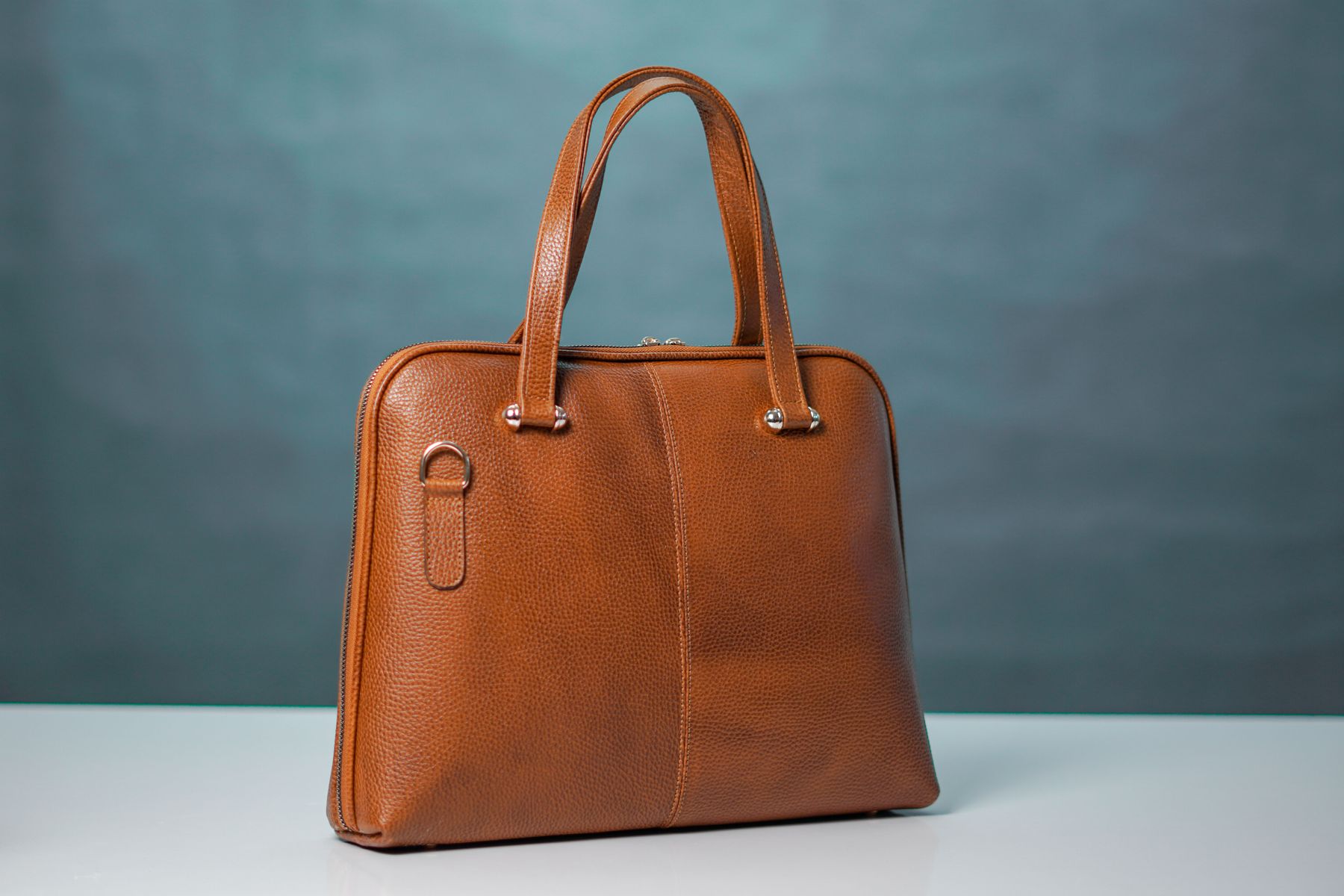
Beautiful leather can still become a badly made bag. And a well-made bag often reveals itself through details that are much less obvious than the logo on the front. The leather matters, of course. But so do:
the edges
the stitching
the lining
the hardware
the structure
and, perhaps most importantly, the places where the bag takes the most stress
So if you are trying to understand whether a leather bag is actually well made, here is where I would look.
Start with the leather itself
Not all leather is the same. Full-grain leather keeps the natural surface of the hide intact.
That means you may still see small variations in texture, pores, wrinkles or even tiny marks from the animal’s life. It usually looks less perfectly uniform, and that is often part of its character.
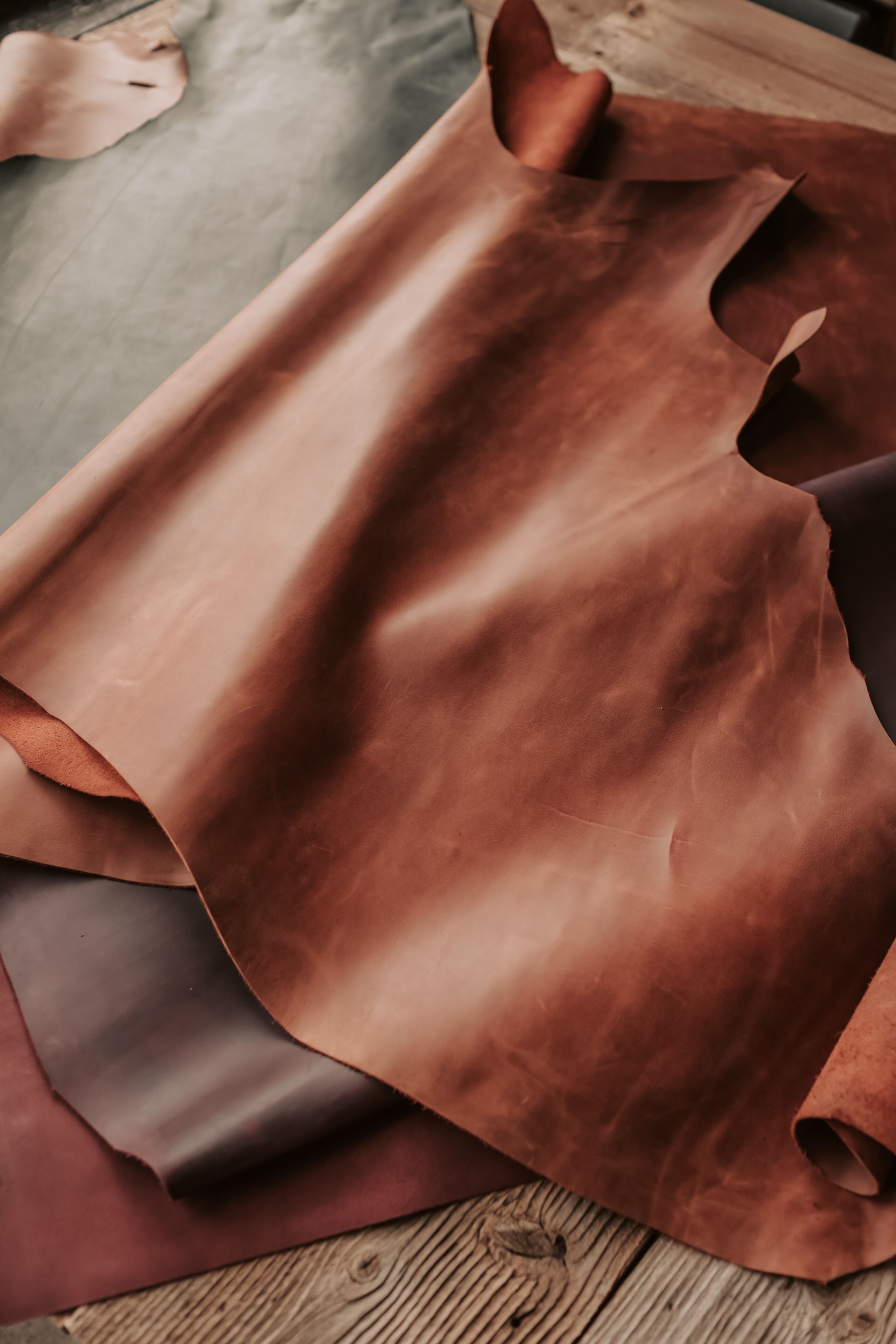
Corrected-grain leather has had the surface sanded or buffed to remove imperfections and create a more even appearance. It may then be embossed to recreate a consistent grain.
Split leather comes from a lower layer of the hide, after the top layer has been separated. It can still be useful for certain products, but it generally behaves differently from the denser outer layer.
So how can you recognise the difference?
Look for too much perfection. If the surface looks completely identical from one centimetre to the next, with an extremely regular repeated texture, it may have been heavily corrected or embossed.
Natural variation is not automatically a defect. Sometimes it is evidence that you are actually looking at the surface of the hide rather than a perfectly manufactured pattern.
But this does not mean full-grain is always the right answer. Different bags need different kinds of leather. A structured bag may need something firmer. A soft bag may work better with a more supple leather.
The important thing is that the material makes sense for the object and for the way it is meant to age.
Then look at the edges
This is one of the quickest places to spot care. Where the leather has been cut, the edges should look clean and intentionally finished. They may be painted, burnished or folded.
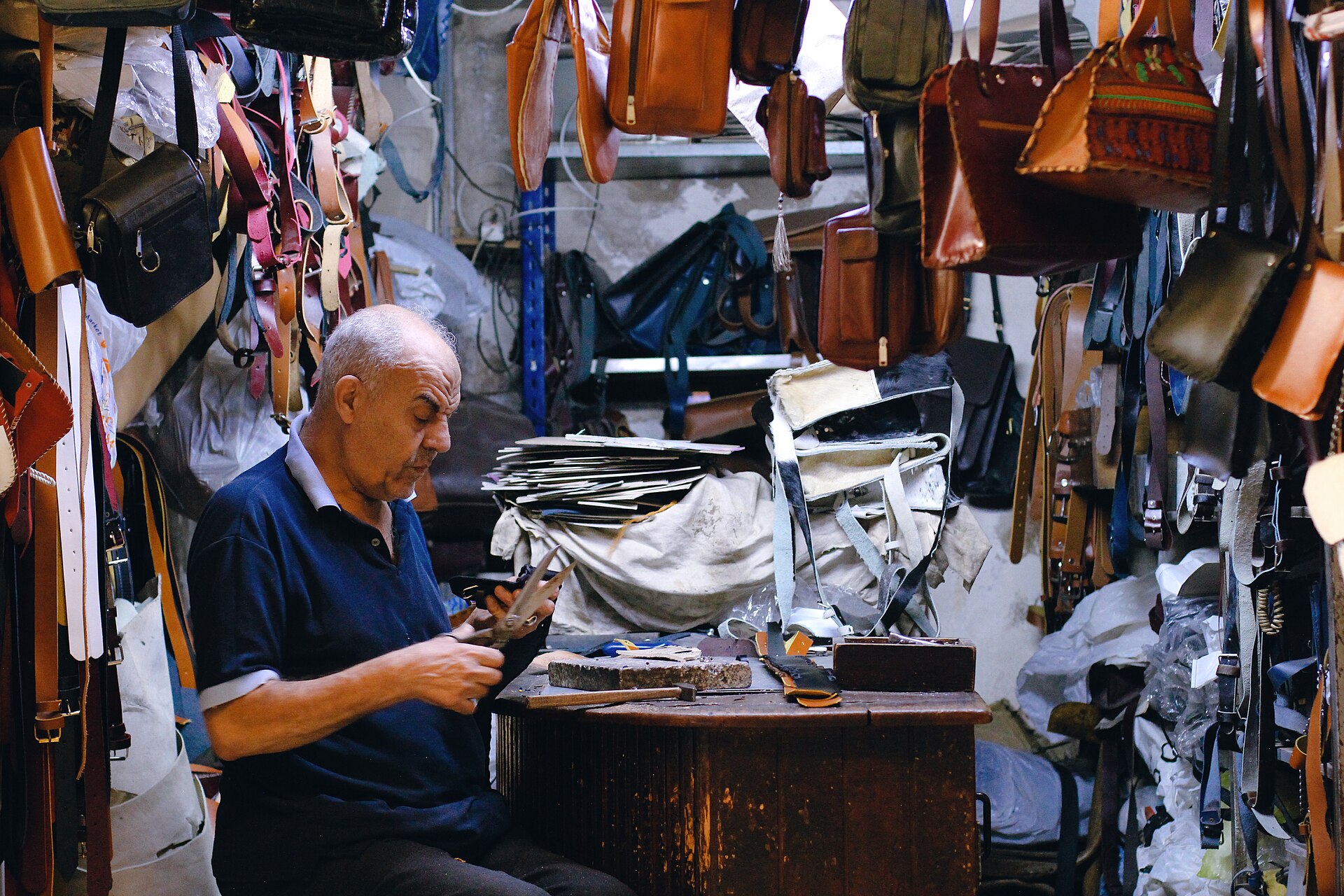
What you do not want to see are rough fibres, uneven edge paint, peeling finishes or visible traces of glue around seams and bonded parts. Edge finishing looks like a small detail, but it takes time.
And because it is an easy place to save time and money during production, it can tell you a lot about the standards used elsewhere in the bag.
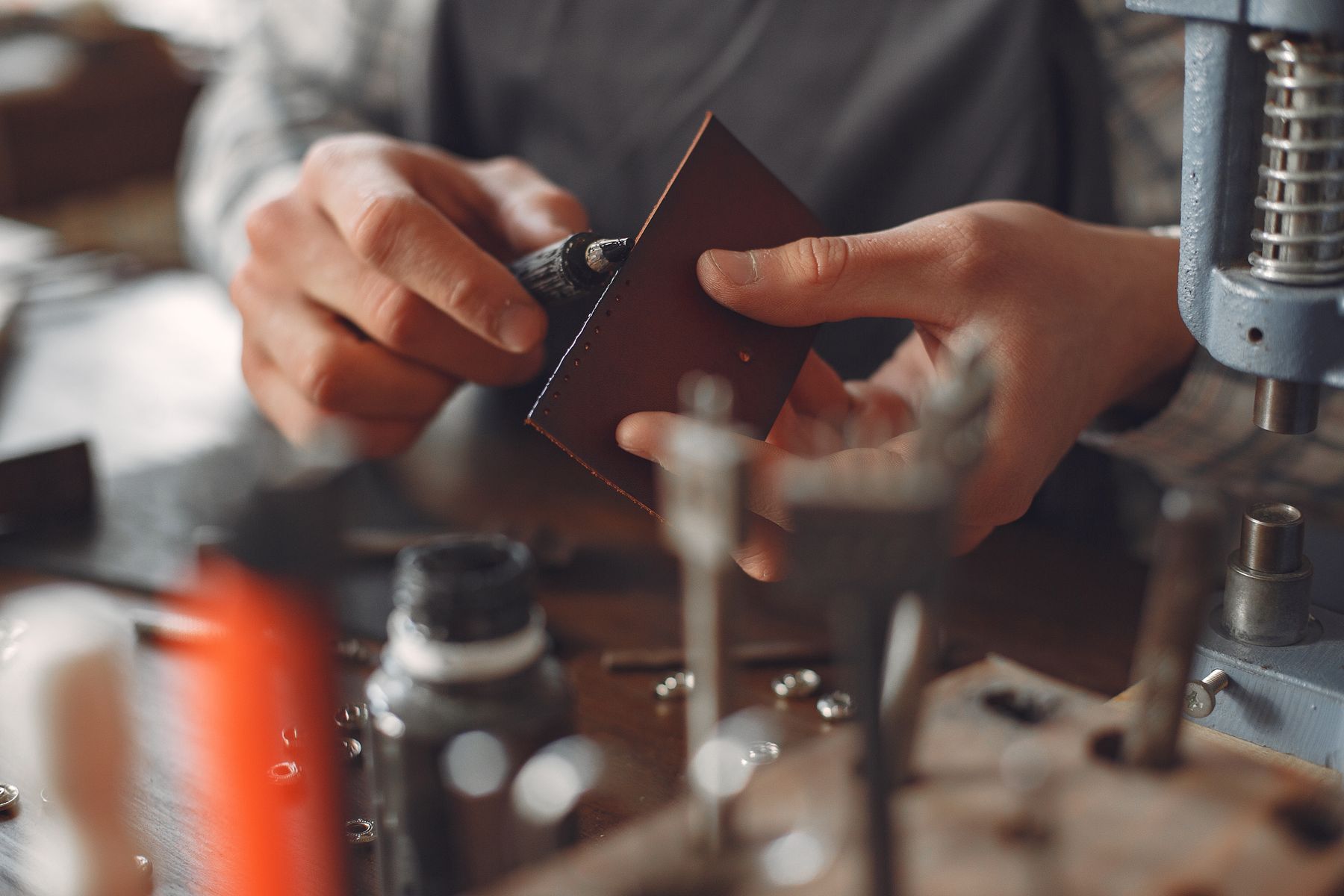
Look closely at the stitching
The stitches should be even, straight and consistent. At corners, handles and strap attachments, the line should stay controlled.
These are also the areas where reinforcement matters most, because they take repeated tension every time the bag is carried.
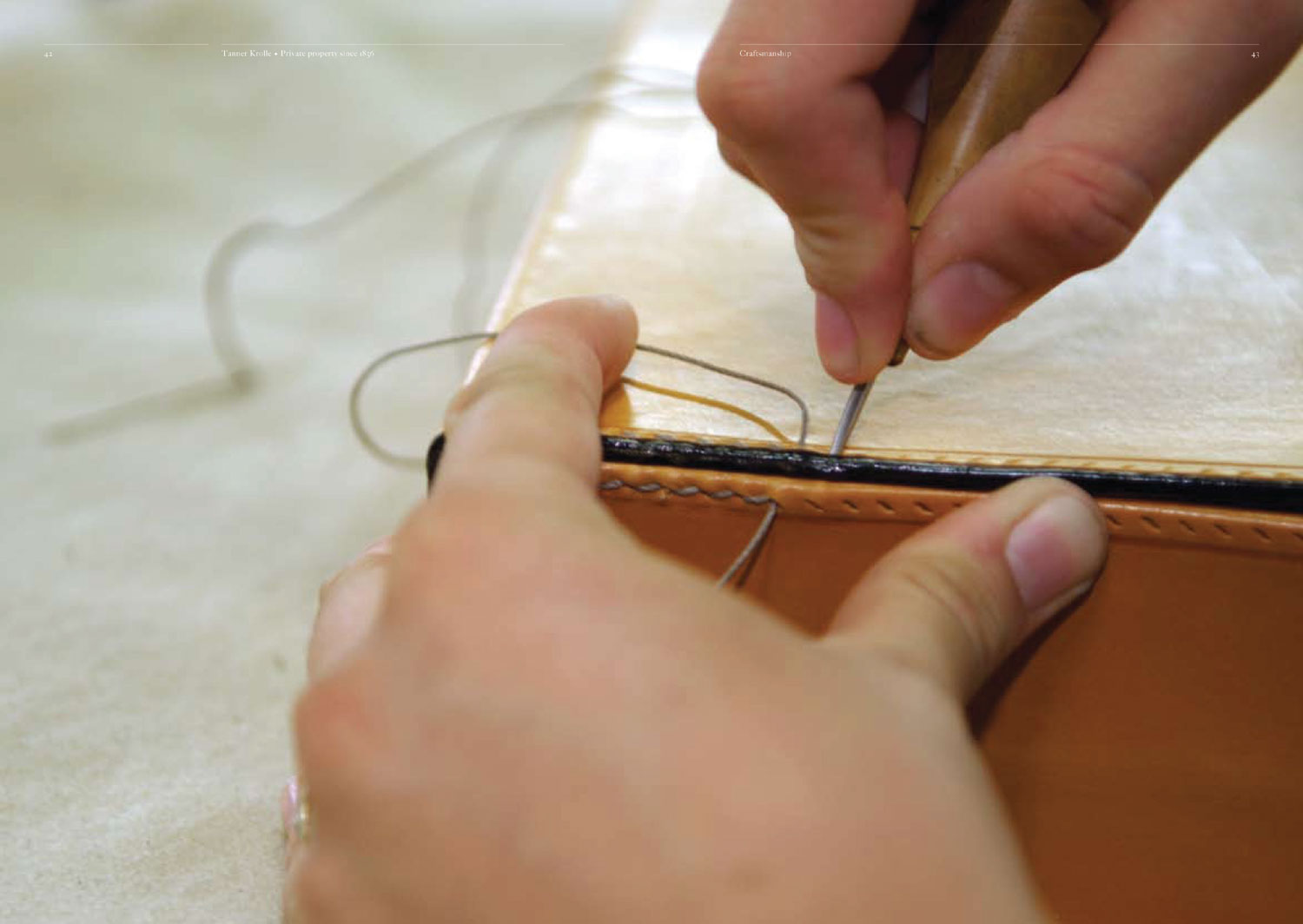
Hand stitching is not automatically better than machine stitching, but some hand techniques are extremely strong.
Hermès, for example, still uses saddle stitching in its leather goods, where two ends of the same thread pass through each hole from opposite directions.
The point is not that every good bag needs to be hand stitched. It is that the construction method should be appropriate, consistent and strong enough for the life the bag is meant to have.
Check the hardware
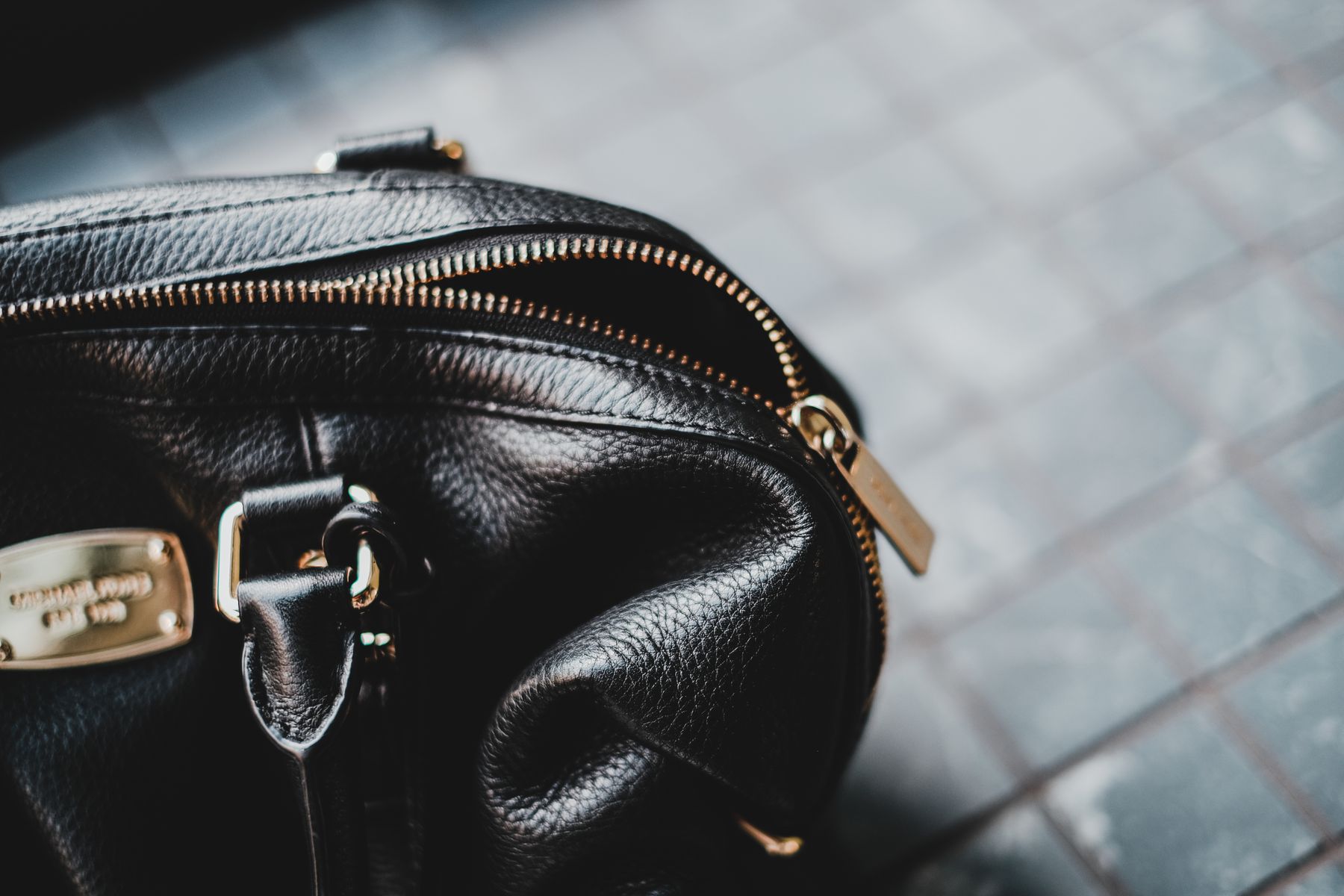
Zippers, clasps, buckles, rings and feet may look secondary, but they are some of the hardest-working parts of a bag. In store, test them. A zipper should move smoothly without catching.
A clasp should close cleanly without feeling loose or unstable. Rings and buckles should not rattle excessively or feel flimsy. And the finish should look consistent.
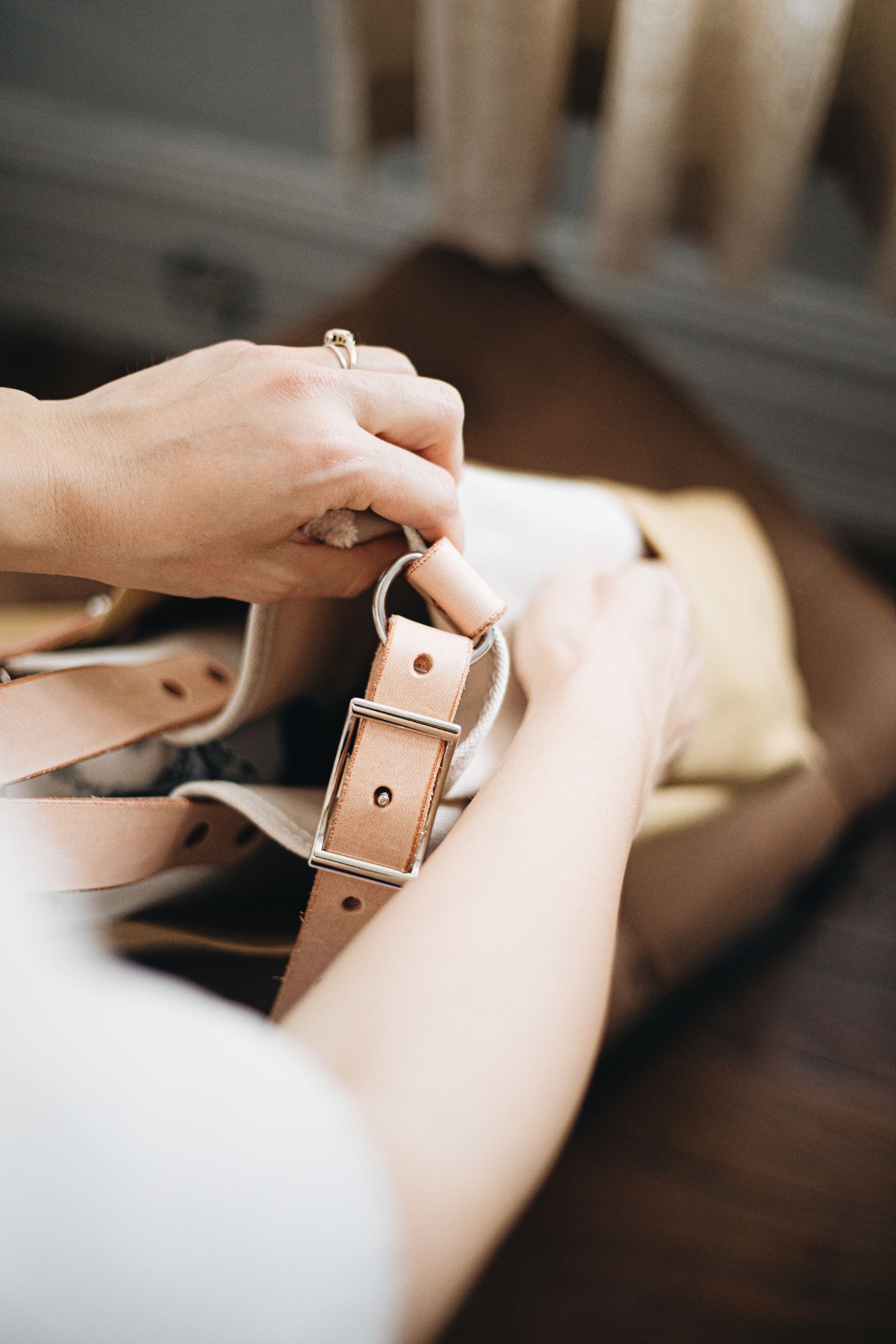
Cheap hardware often reveals itself through uneven plating, visible scratches, flaking colour, sharp edges or a clasp that already feels loose before the bag has even been used.
Weight can sometimes give you a clue too, but do not use it as a rule. Heavy hardware is not automatically good hardware. What matters more is how precisely it has been made and how well it functions.
Online, zoom into the hardware. Look for close-up images of the zipper, clasp and strap attachments. Does the metal finish look even?
Are the zipper teeth aligned?
Do the rings and clasps look substantial enough for the weight of the bag?
If the brand avoids showing these areas completely, that is useful information too.
Now look inside
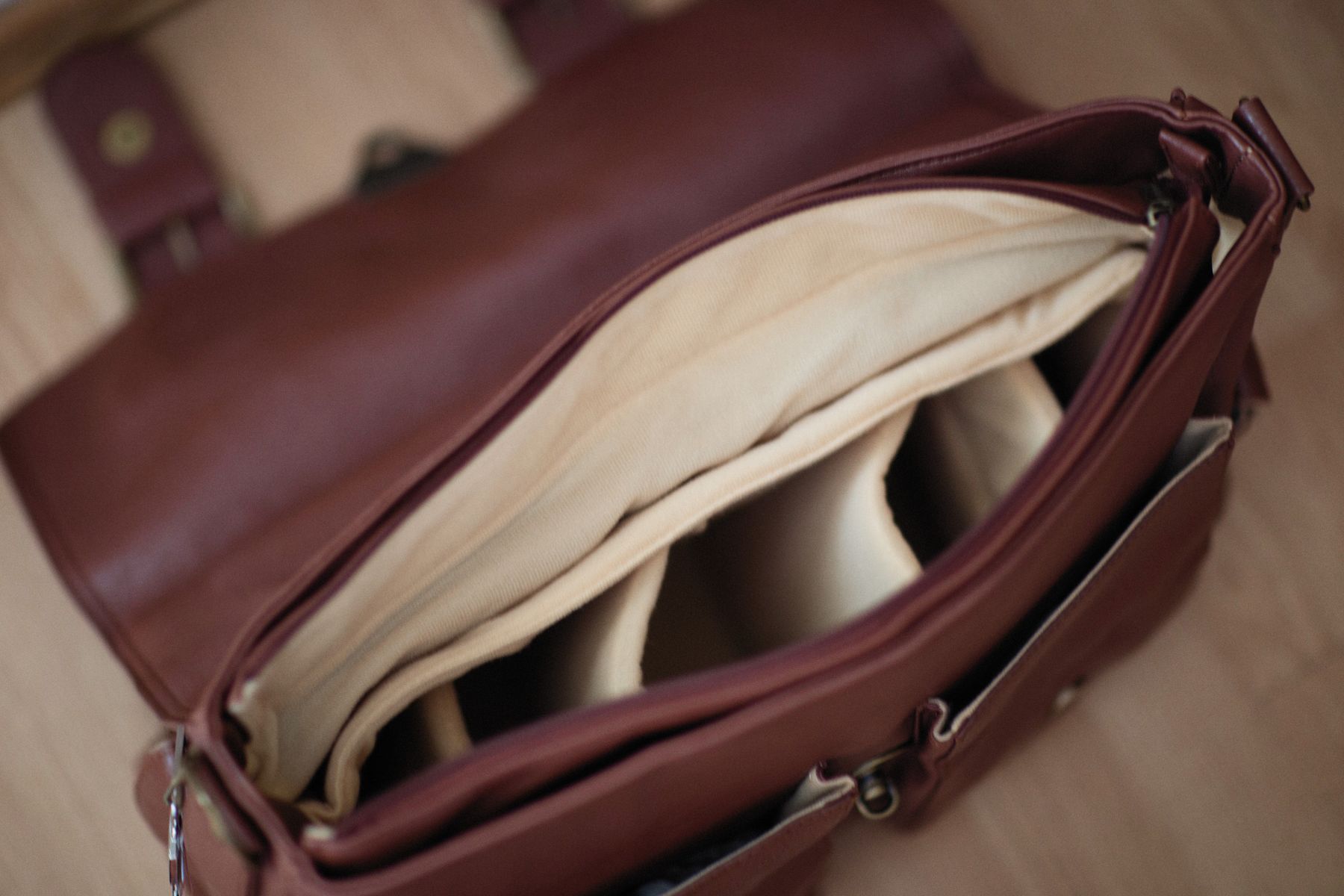
The lining is easy to ignore because it is rarely what sells the bag in the first photograph. But it matters. A well-made interior should look clean and deliberate.
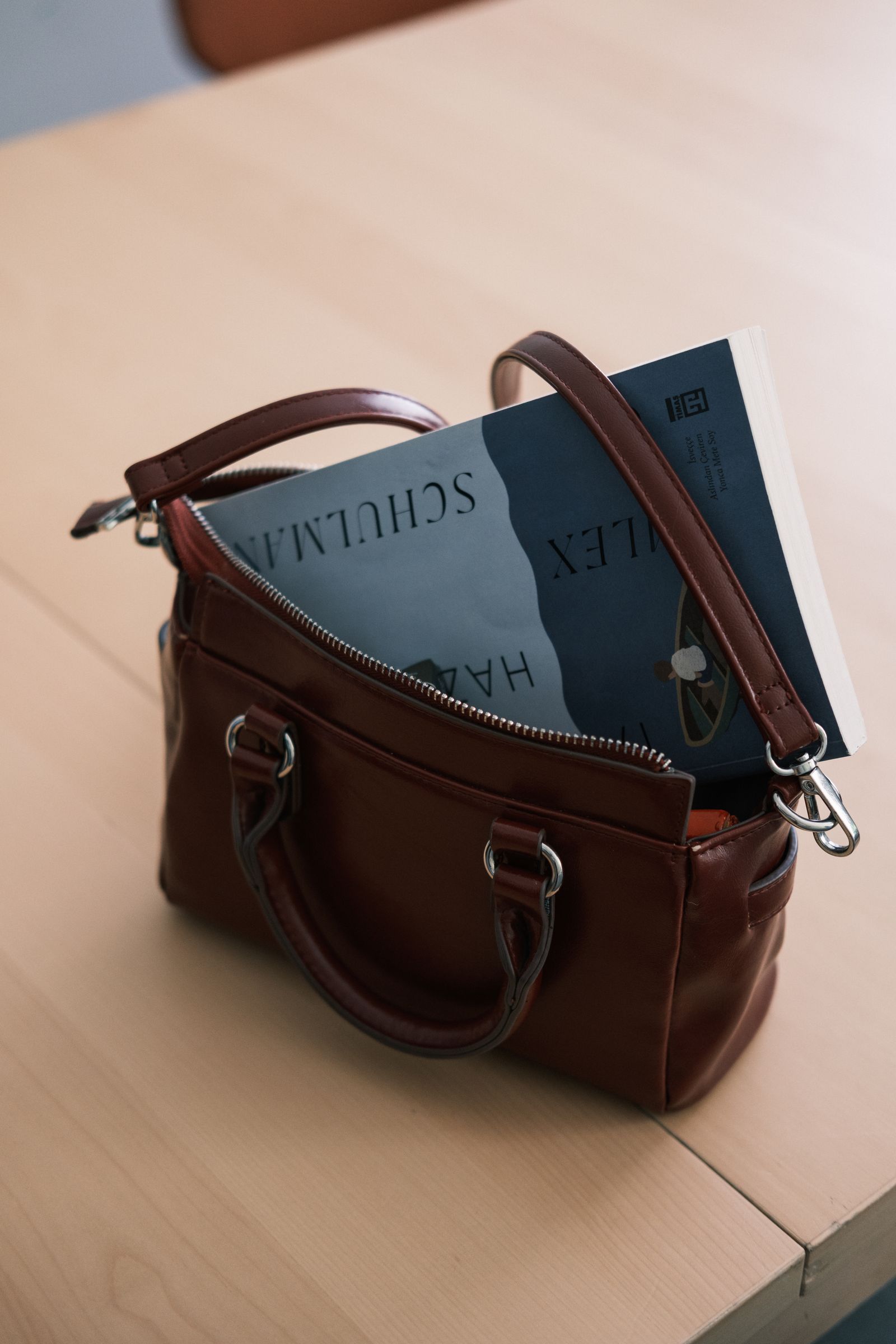
The lining should sit properly inside the bag, without sagging, puckering or poorly finished seams. Pockets should feel reinforced. The material should also make sense for how the bag will be used.
A work bag, an evening bag and a travel bag do not need the same interior.
Then look at the structure
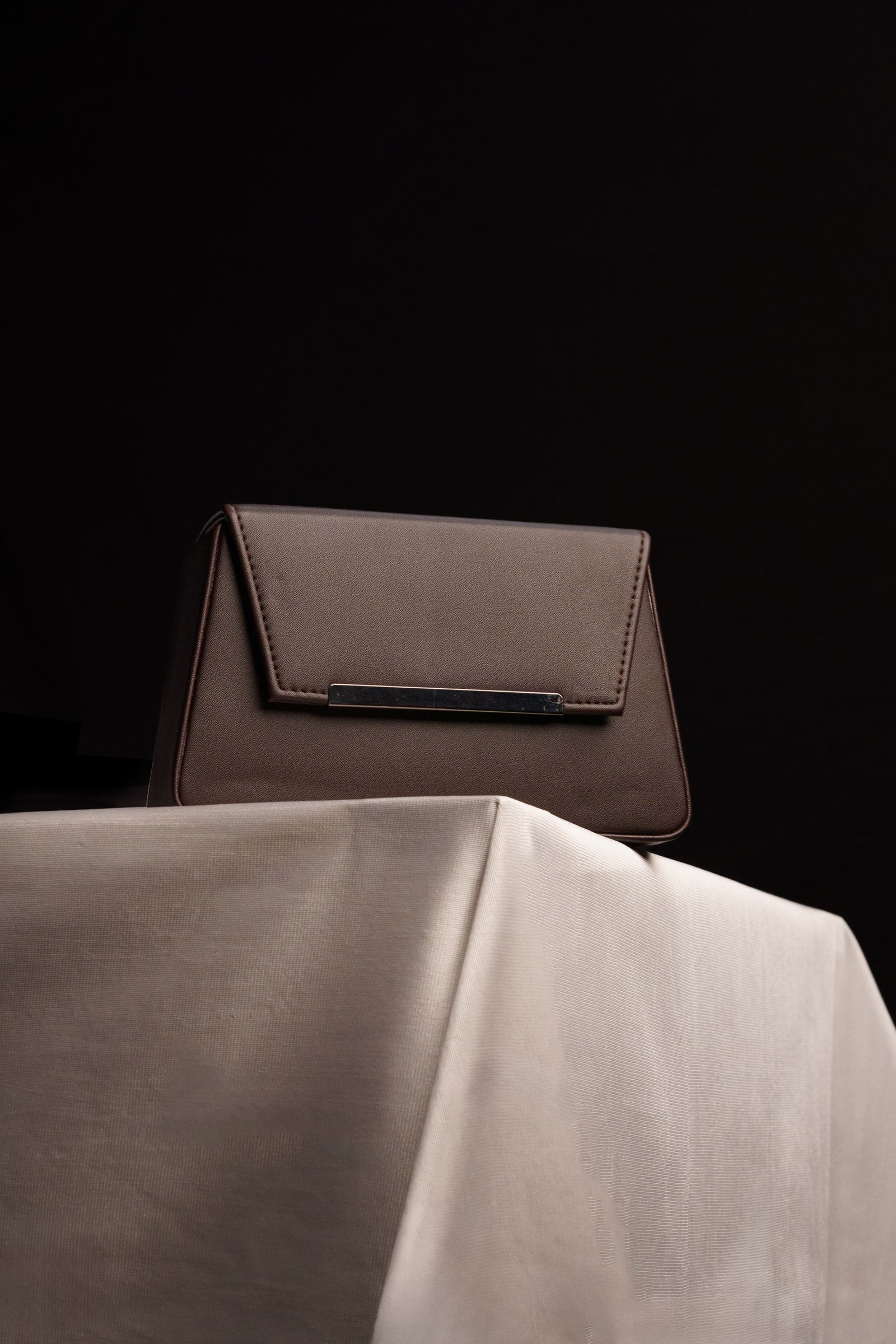
Set the bag down. Does it hold the shape it was designed to have?
If it is supposed to be structured, does it stand cleanly?
If it is meant to be soft, does it still fall in a controlled way?
Neither structure nor softness is automatically better. What matters is whether the bag behaves the way its design suggests it should.
And finally, look at the stress points
This may be the most important part. Look where the handles meet the body. Where the strap connects. Where the corners fold. Where the base carries weight.
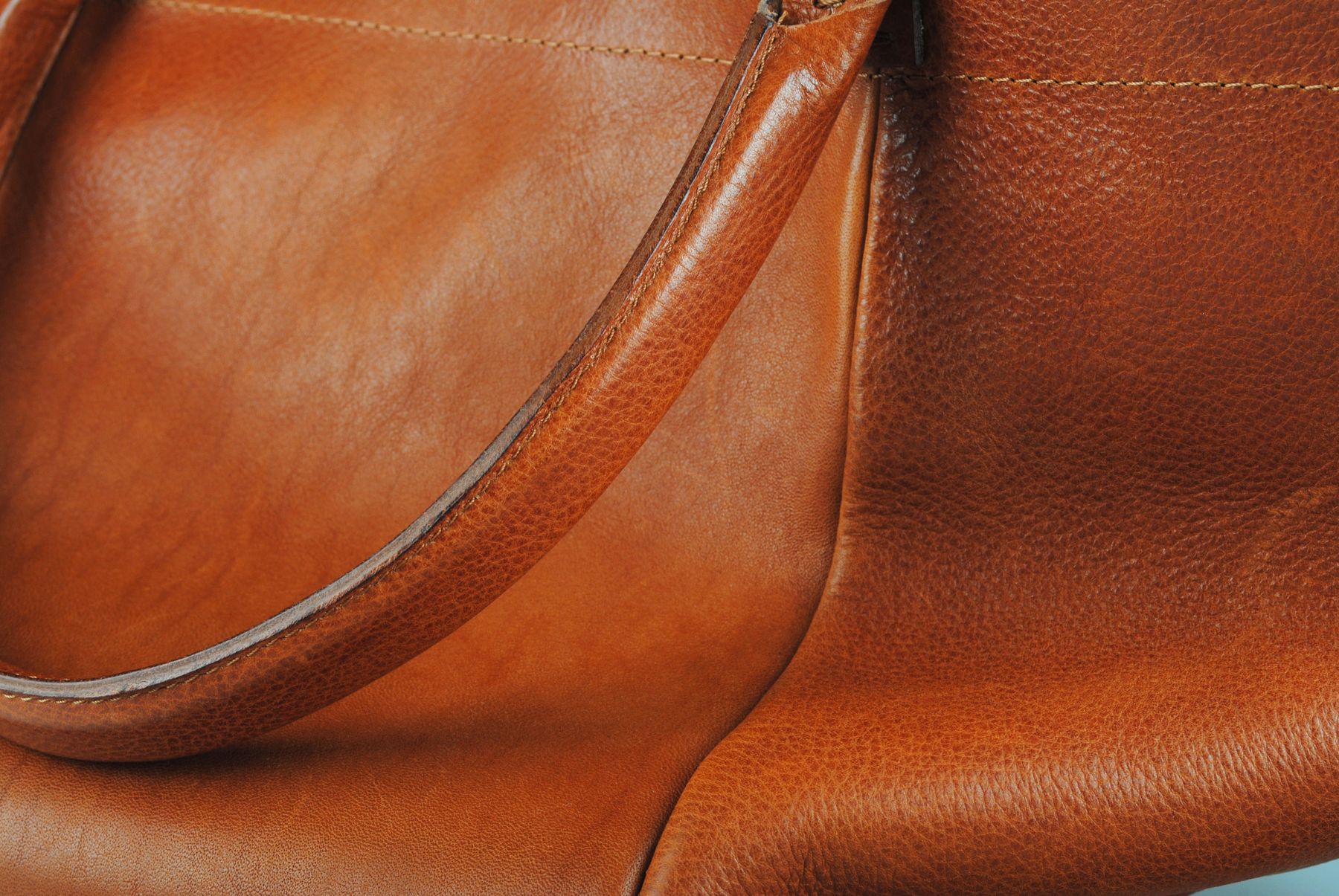
Those are the places most likely to reveal whether the bag was designed to survive real use. A beautiful surface can hide weak construction. Stress points usually cannot. And what if you are buying online?
A beautiful surface can hide weak construction. Stress points usually cannot.
This is where the photographs become especially important. Do not only look at the hero image. Zoom into the corners. The handles. The base. The zipper. The edge paint. The seams.
The places where two materials meet. Look at the bag from the side and from the back, not only from the most flattering angle. And pay attention to what the brand chooses not to show.
A good product page should help you understand construction, not only desire the silhouette. Then read the description. Does the brand tell you what kind of leather it uses?
Where it comes from?
How the edges are finished?
Where the bag is made?
Whether parts are hand stitched or machine stitched?
What the hardware is made from?
Transparency does not guarantee quality. But a lack of information gives you much less to judge. And perhaps that is the easiest way to think about leather bag quality:
a good bag is not only beautiful where everyone looks. It is well made in the places most people never notice. Because two bags can use leather of similar quality and still age completely differently.
One may have carefully finished edges, reinforced handles, strong stitching and hardware that survives years of use. The other may simply look convincing in a product photo.
And maybe this is the most beautiful thing about a good leather piece. Leather is not supposed to remain untouched forever. It changes. It develops a patina. It records use.
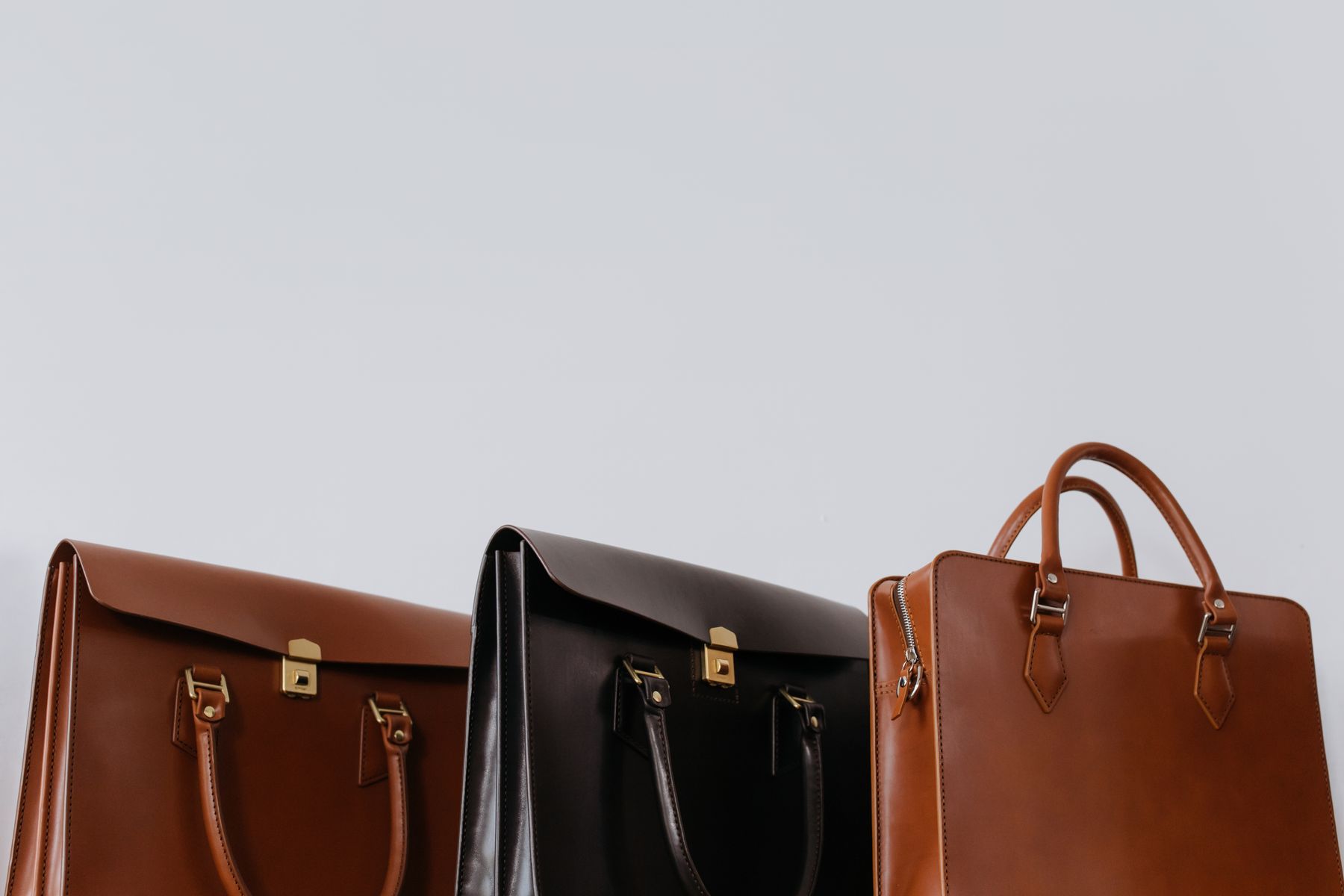
And when the material and construction are good enough, those signs do not necessarily make the object look worse. They can make it more personal.
A well-made leather bag is not designed only to look beautiful when it is new. It is designed to age well enough that, one day, someone else may carry it too.