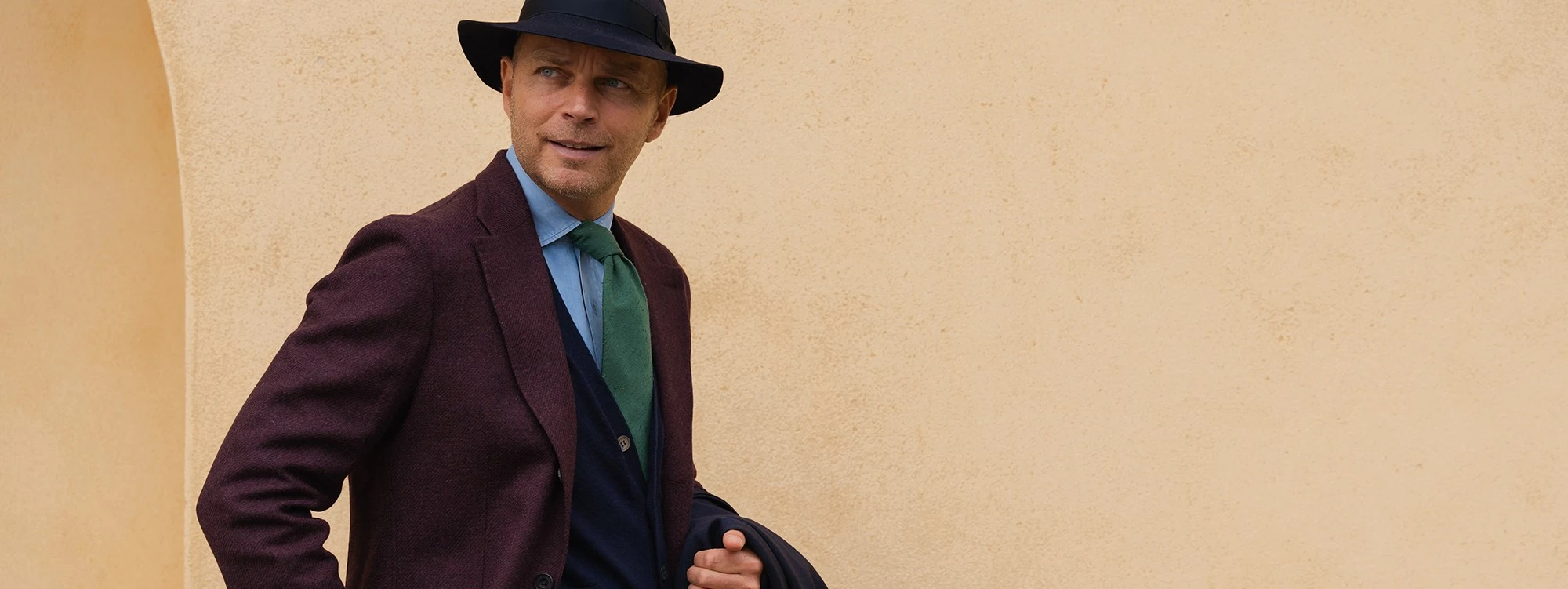
The most common answer is the shoulder.
British tailoring gives it structure. Traditional Neapolitan tailoring makes it softer.
But the difference goes much deeper, and the story gets surprisingly interesting once you follow how each place reinterpreted the same idea.
It starts with an unexpected detail: one of Naples’ best-known tailoring houses was once called London House.
Why would a city now famous for soft jackets name an atelier after London?
To understand that, we need to begin on Savile Row.
London
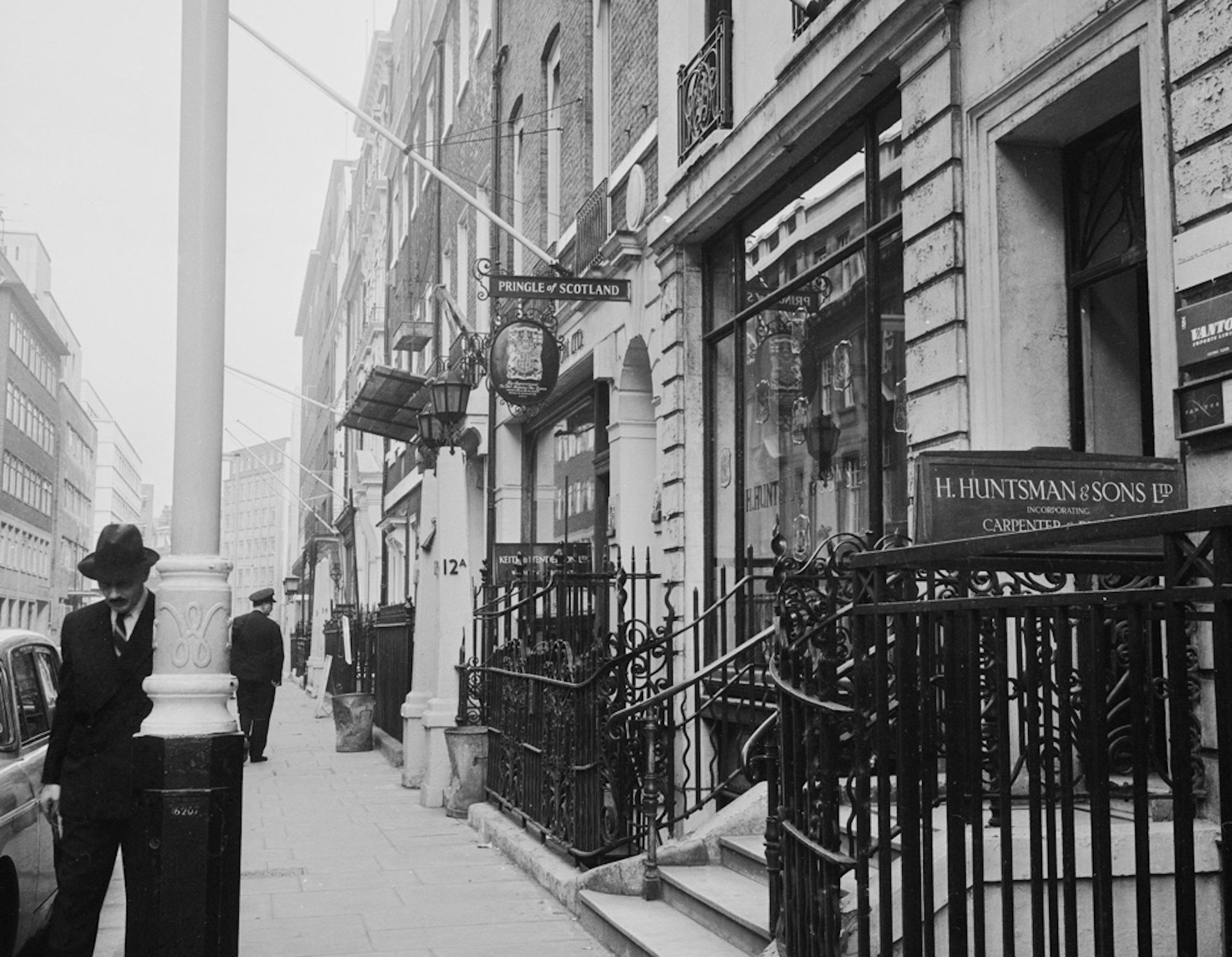
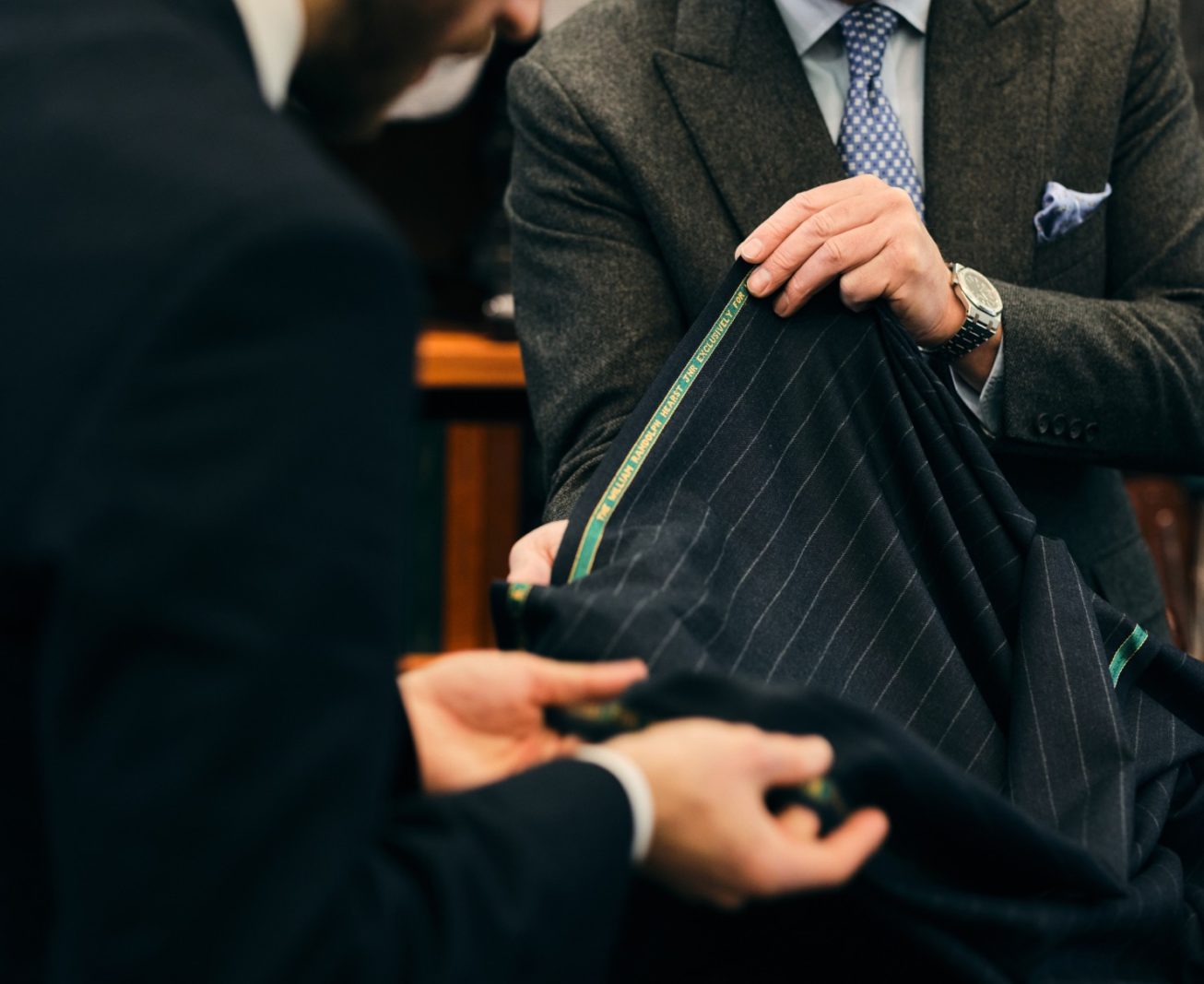
For generations, Savile Row built its reputation around bespoke tailoring: garments cut for one person, shaped through fittings, and constructed to give the body a clear silhouette. Padding, canvas and internal structure help define the chest and shoulder, creating a jacket that does not simply follow the body but actively shapes it.
Naples
Naples knew that language well.
At the beginning of the twentieth century, English menswear was an important reference for Neapolitan elegance. But the climate, the lifestyle and the way people moved through the city made that structure feel too rigid.
So Naples started asking a different question:
What if tailoring could still be elegant without feeling heavy?
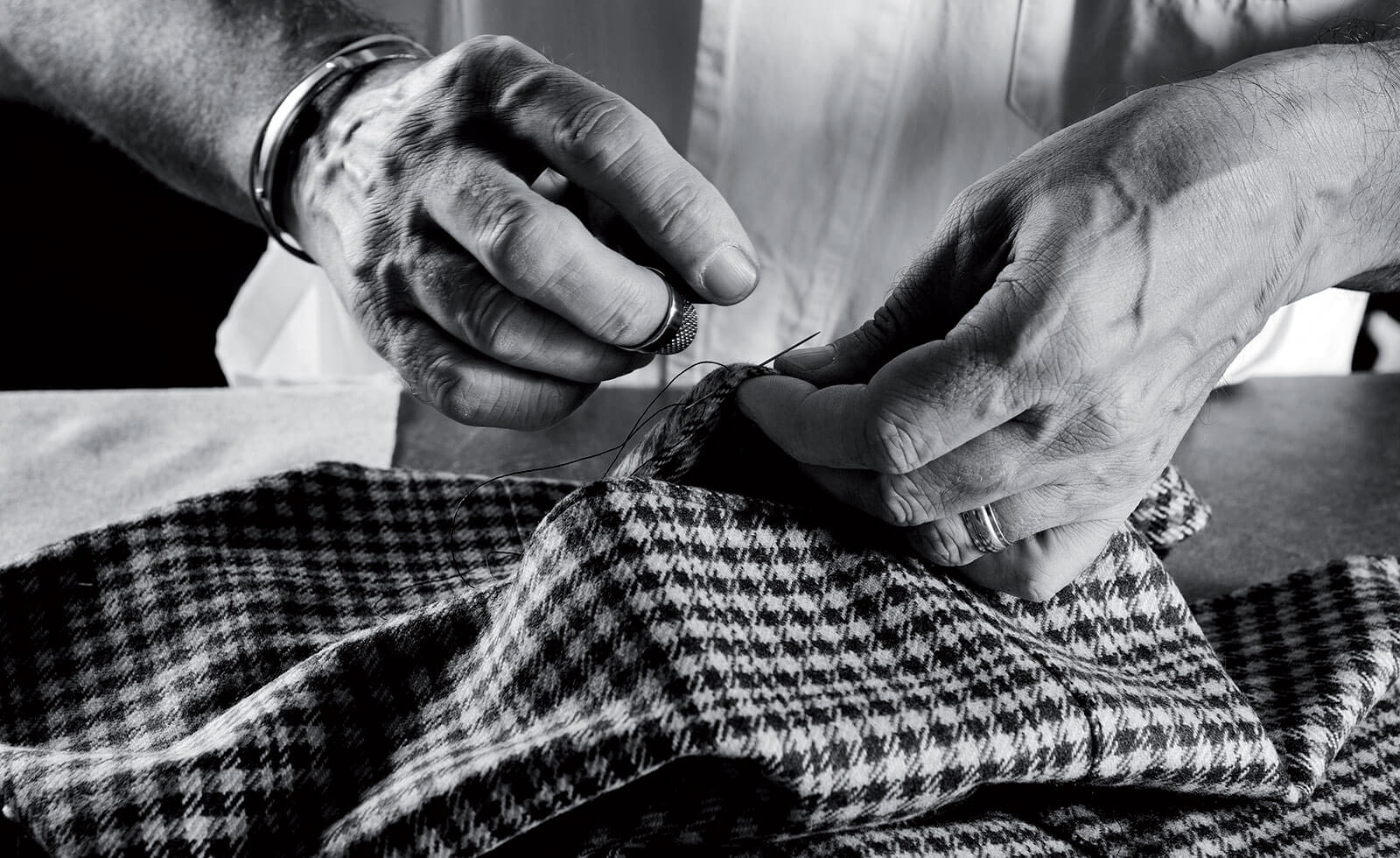
Around 1930, Vincenzo Attolini began removing much of the padding, shoulder structure and lining from the conventional jacket. The result was lighter, softer and more relaxed, almost like a shirt compared with the English construction that came before it.
Two years later, Gennaro Rubinacci opened London House in Naples.
The name came from his admiration for English fabrics and for London’s position as the capital of masculine elegance at the time. But inside the atelier, the idea was already becoming distinctly Neapolitan.
Rubinacci describes its own style through a light, empty shoulder, without padding and with soft construction, almost the opposite of the shape traditionally associated with Savile Row.
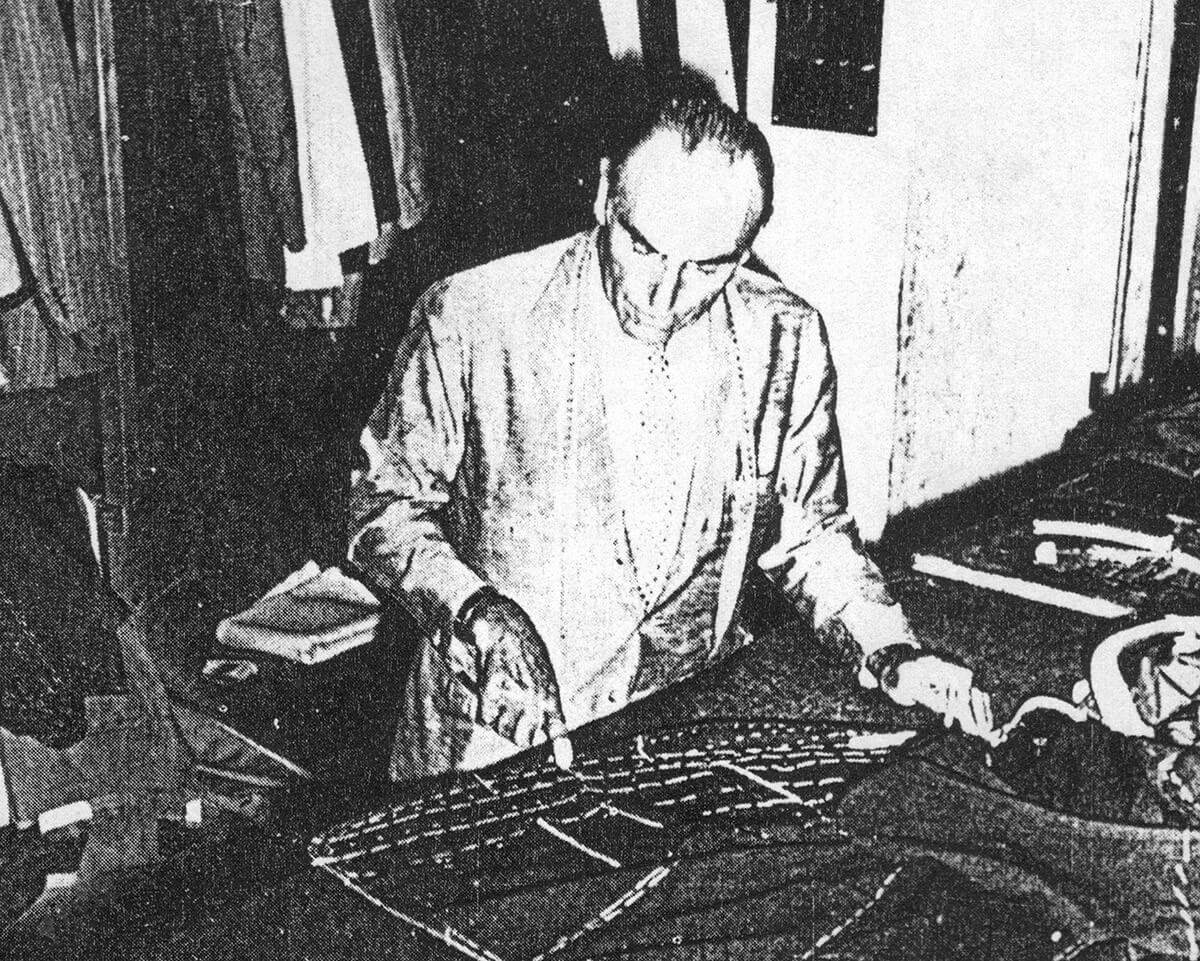
And this is what makes the name London House so interesting.
Naples was looking at London.
But instead of copying it, it used London as a reference and created something of its own.
And the story becomes even more interesting when we leave Naples and look at what was happening in other parts of Italy.
Rome
Rome had another answer.
Roman tailoring kept more definition than Naples, but with a cleaner and lighter feel than classic British tailoring. Houses such as Brioni helped establish a particularly polished Roman silhouette and later played an important role in the development of high-end Italian ready-to-wear.
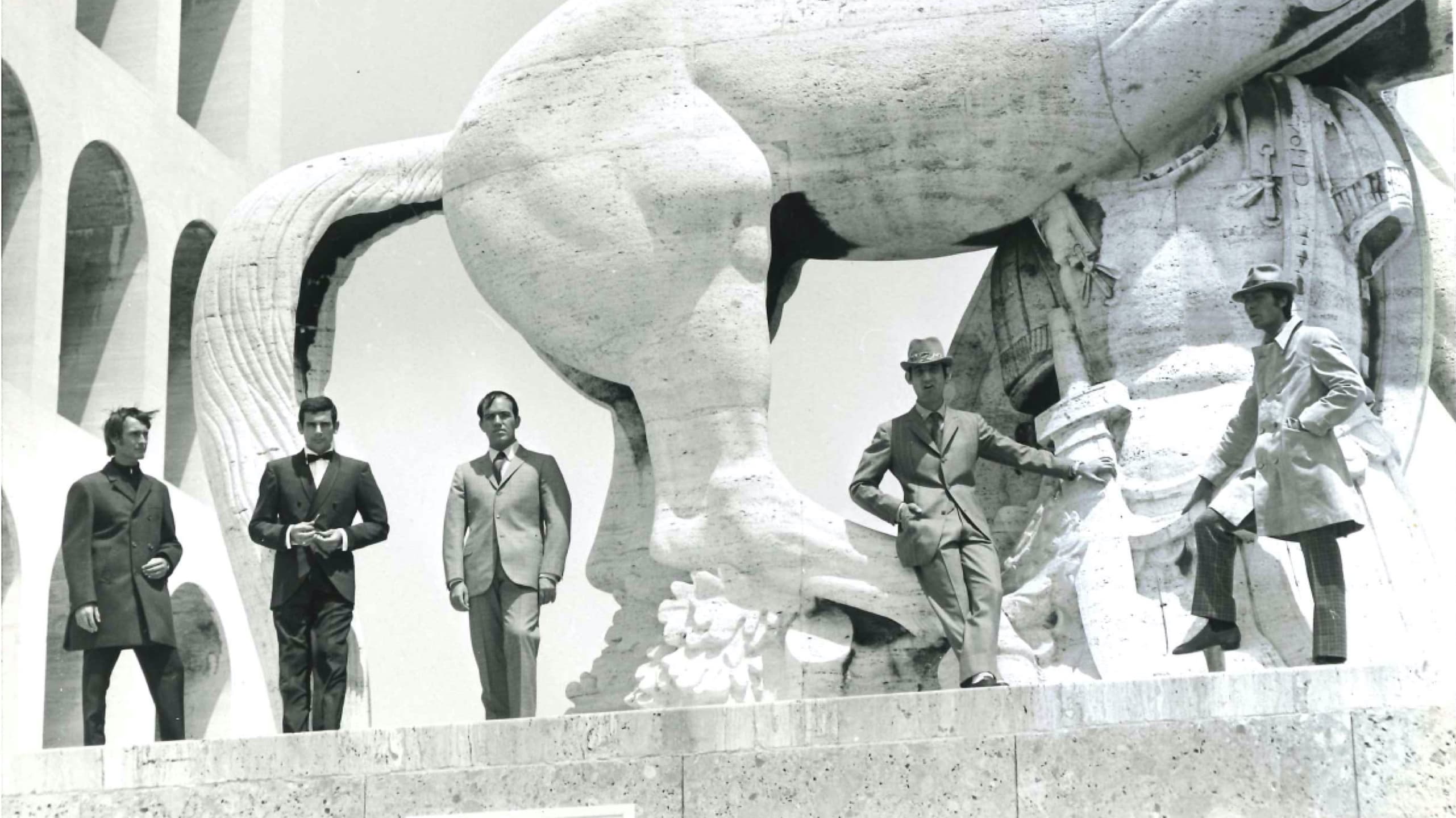
So already we have three different ideas of what a jacket can do.
British tailoring gives structure.
Neapolitan tailoring gives freedom.
Roman tailoring sits somewhere between the two, keeping shape while reducing heaviness.
Milan
And then Milan challenged the rules again.
In the 1970s, Giorgio Armani took the softness of Italian tailoring and pushed it into modern ready-to-wear.
The Armani archive itself describes his early work as a meeting between industrial production and the traditional lightness of Neapolitan tailoring. Softer lines, reduced internal construction and more fluid proportions became the base of what would later be recognised as Armani’s deconstructed revolution.
And that shift mattered because tailoring was no longer only about the bespoke male suit.
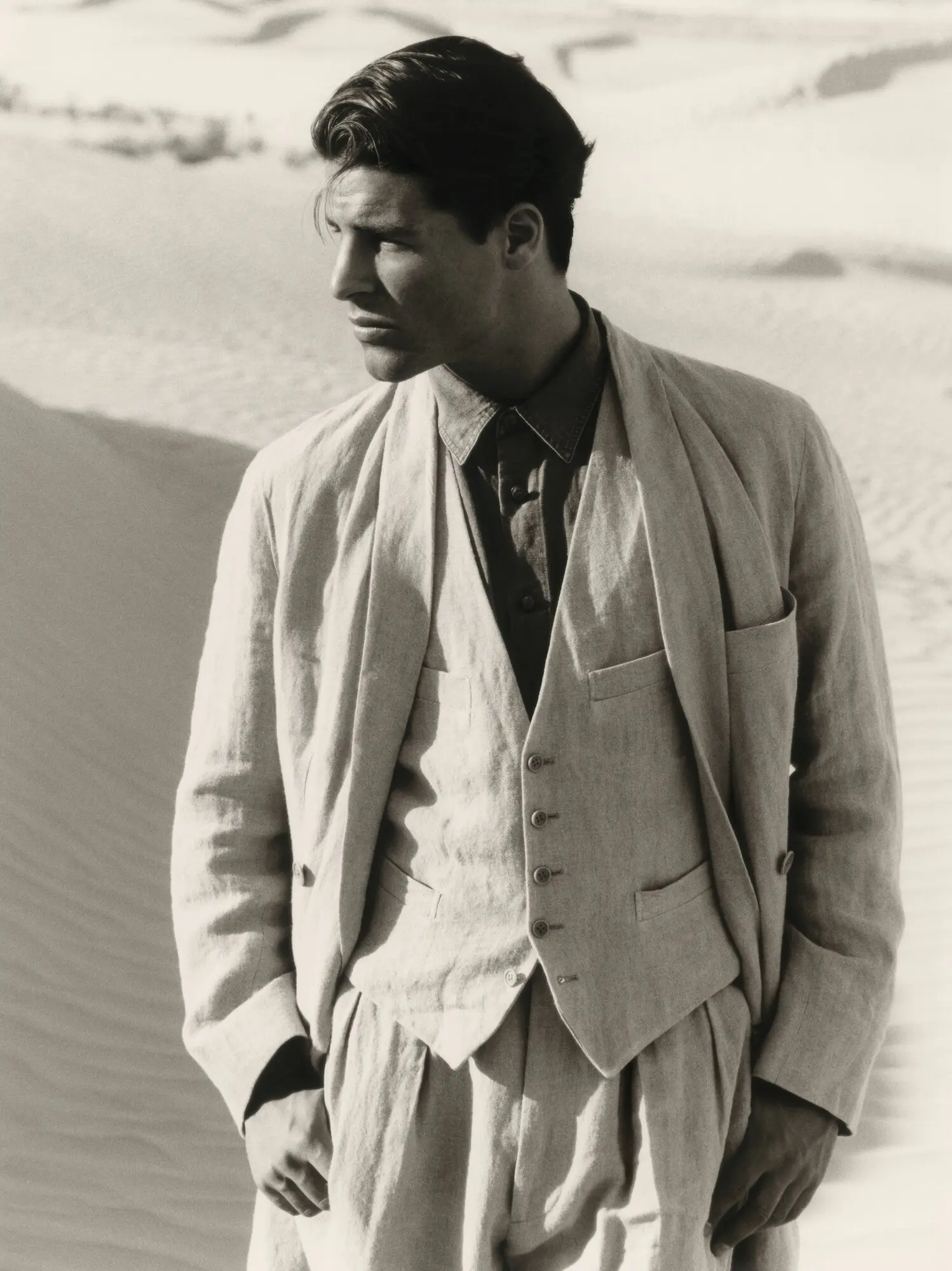
It became part of everyday modern dress.
Women could wear tailored forms too, not simply by borrowing menswear, but through a new language of power, softness and movement. Armani’s late-1970s and 1980s womenswear made that tension between masculine construction and feminine fluidity part of the point.
Umbria
And then another Italian region brought its own language into the conversation.
In Umbria, Brunello Cucinelli developed the Spalla Solomeo, a shoulder that is defined and tapered but does not rely on padding. The effect is precise without feeling rigid, keeping presence without losing lightness.
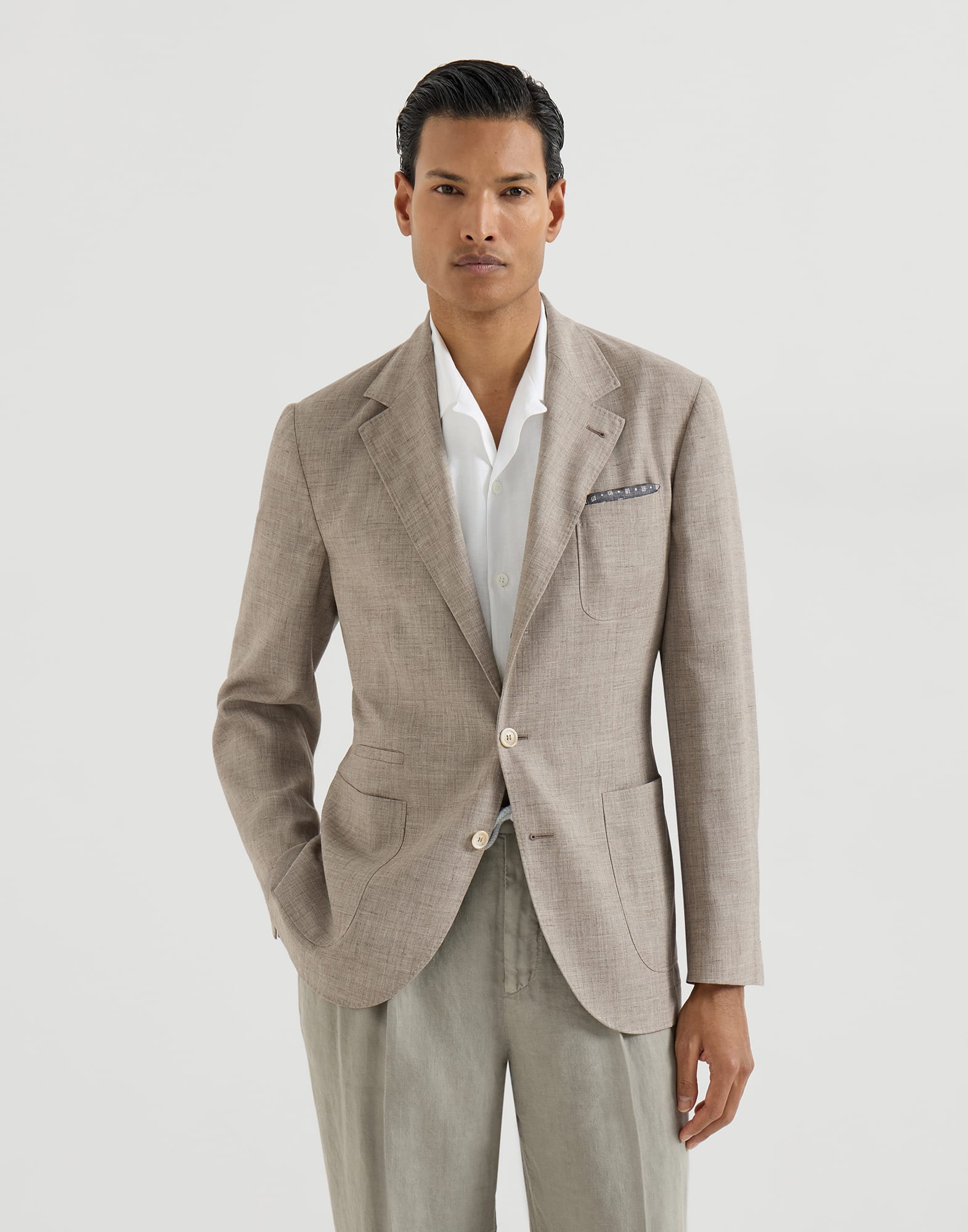
And perhaps this is the most interesting part of the whole story.
There is no single “Italian tailoring” to compare with British tailoring.
There are regional answers to the same question:
What should a jacket do to the body?
Should it give shape?
Follow movement?
Create authority?
Feel almost invisible?
Hold structure without stiffness?
All of these can exist, and all of them can be extremely well made.
So when the quality is already there, choosing between them stops being only a technical decision.
It becomes a question of identity.
What kind of presence feels like you?
What do you want the clothes to say before you speak?
What does the moment ask you to communicate?
In that sense, tailoring is not so different from the way strong brands build their own codes.
Prada can use irreverence and intellectual tension.
Armani can use softness and restraint.
Brunello Cucinelli can use natural elegance and ease.
The construction is different because the point of view is different.
And maybe that is the real lesson hidden inside the shoulder.
The best jacket is not simply the one with the most impressive technique.
It is the one whose technique helps express the right version of you for the context you are in.