When I was invited to a cooking class at Terracotta, I felt that had a clear idea of what the experience would look like.
You arrive, the ingredients are ready, someone introduces the menu, you cook a few Italian classics together, eat what you made and go home.
Something pleasant. Well organised. Probably very good.
But still, something I already knew how to imagine.
That changed almost as soon as I arrived.
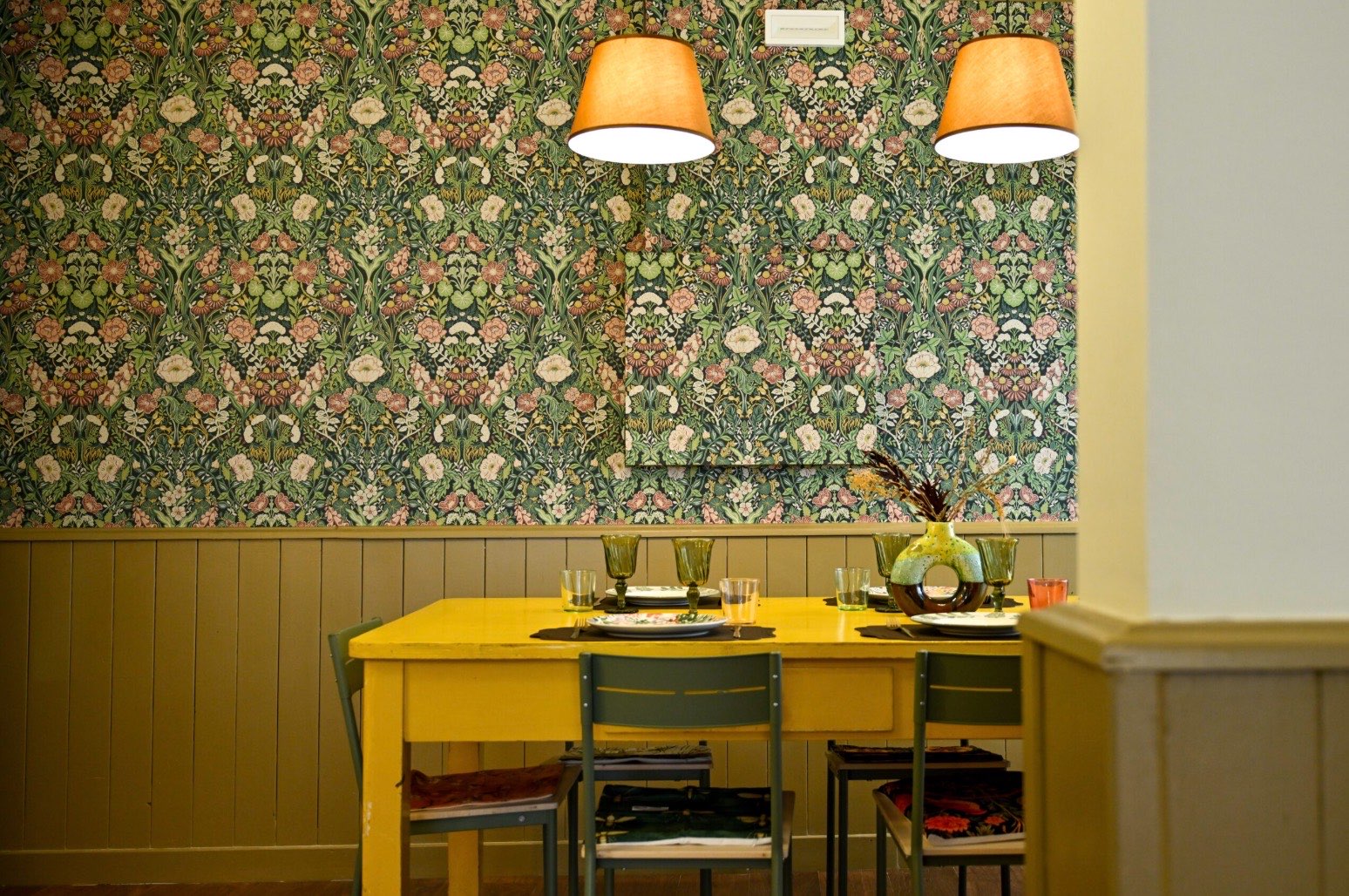
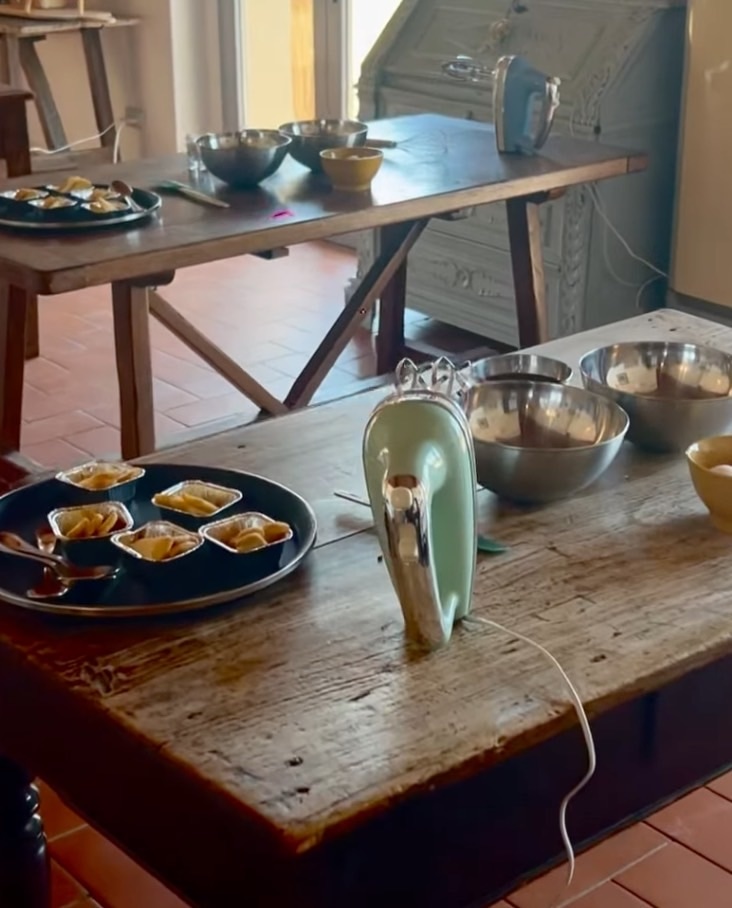
The space felt much more intimate than I expected. Before we even started cooking, they offered us a welcome glass, introduced everyone and gave the group time to settle in, talk and actually meet each other.
It did not feel like the beginning of a class.
It felt more like arriving at a friends house for dinner.
Then they introduced the menu. And that was the first moment when I realised this was not going to follow the usual script.
I had expected the dishes we often associate with an Italian cooking class, the classics we already recognise from restaurant menus and from the image of Italian food we carry with us when we travel.
There was tiramisù, yes.
But the rest surprised me.
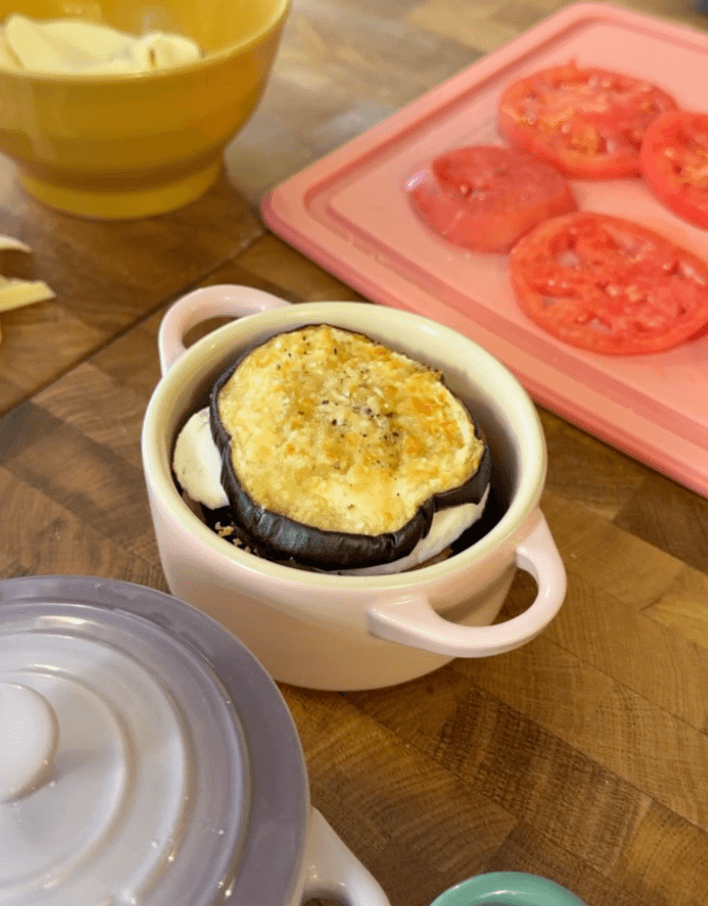
The way the parmigiana was approached, the pasta, the second course. They were still Italian, but they did not feel chosen because they were the most obvious dishes to teach. There was more personality in the menu than that.
Before the cooking begins
Then came the ingredients. This was probably the part that stayed with me the most.
Some of them were not necessarily the ingredients you would choose because they looked perfect on a supermarket shelf.
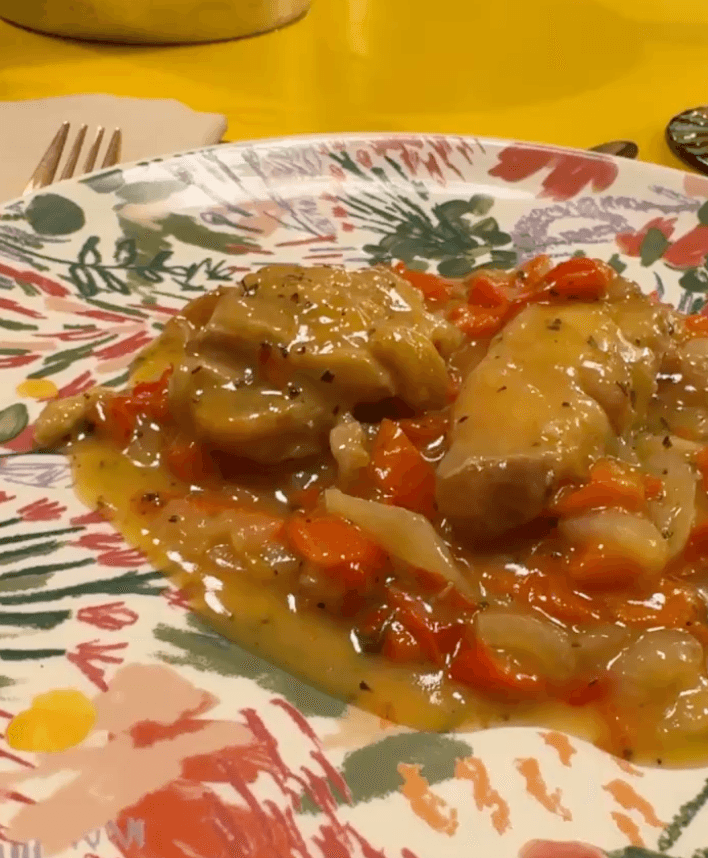
The chicken, for example, was slightly yellow, and my first reaction was almost: is this right?
Then we cooked it, and the flavour was completely different from what I expected.
That happened more than once during the evening.
Ingredients that did not necessarily perform visually in the way we have learned to expect from supermarket food, but whose quality became obvious the moment you tasted them. And this made me think about something we often forget.
We talk so much about recipes.
About technique.
About the chef.
But sometimes the difference between a dish that is good and one you remember is already there before anyone starts cooking.
It is in the ingredient.
Where it came from.
How it was produced.
How much flavour it already carries before we do anything to it, and there is not more Italian cooking characteristic than this.
The detail that changes everything
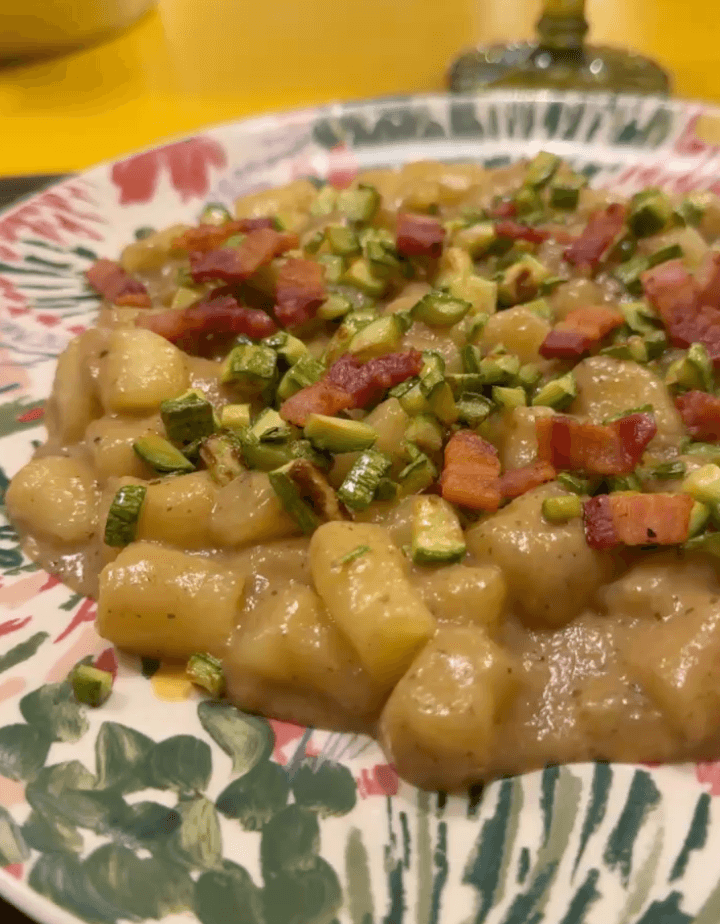
There was another detail that made the experience especially personal for me.
I have a problem with gluten, so instead of simply removing the pasta course or giving me a ready-made substitute, they created an alternative and made gnocchi from scratch.
It was a small gesture. But these are often the details that change how an experience feels.
You stop feeling like an exception the experience has to accommodate and start feeling like you were considered inside it. And as the cooking continued, the evening slowly stopped being about cooking alone.
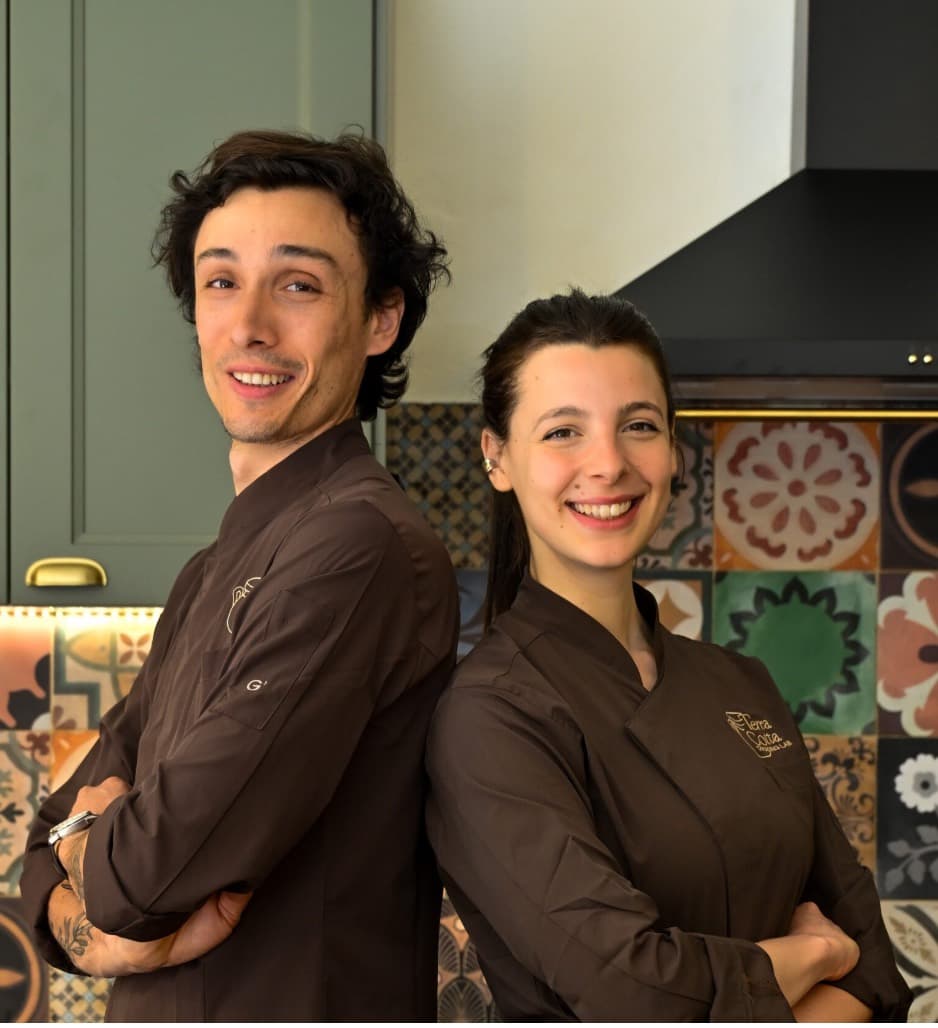
We talked. I learned more about the chefs behind Terracotta, about their story, about the places they have travelled and the way they seem to look for experiences beyond the obvious when they travel too.
The other guests stopped feeling like strangers around the same table.
By the time we sat down to eat, it felt much closer to a dinner with interesting people than to the final stage of a class. And maybe that was the part I had not expected at all.
A cooking class is usually something we think of doing when we travel.
The table itself
You come to Italy, food is one of the most direct ways of entering the culture, so learning to make something becomes part of the trip. But I left thinking that it does not necessarily need a journey to justify it.
Sometimes you simply want to spend an evening differently.
To do something with your hands.
To eat something you would probably not cook at home.
To meet people you would not otherwise meet.
To sit around a table and let the conversation become part of the experience.
And food happens to be a very good excuse for all of that.
I went to Terracotta expecting a cooking class. What I found was much closer to a true Italian table experience.
Good ingredients.
Unexpected dishes.
Care.
Conversation.
And enough time around the table for the evening to become its own little story.
Sometimes the most memorable way to experience a place is not by seeing more of it, but by sitting down long enough to share its table.