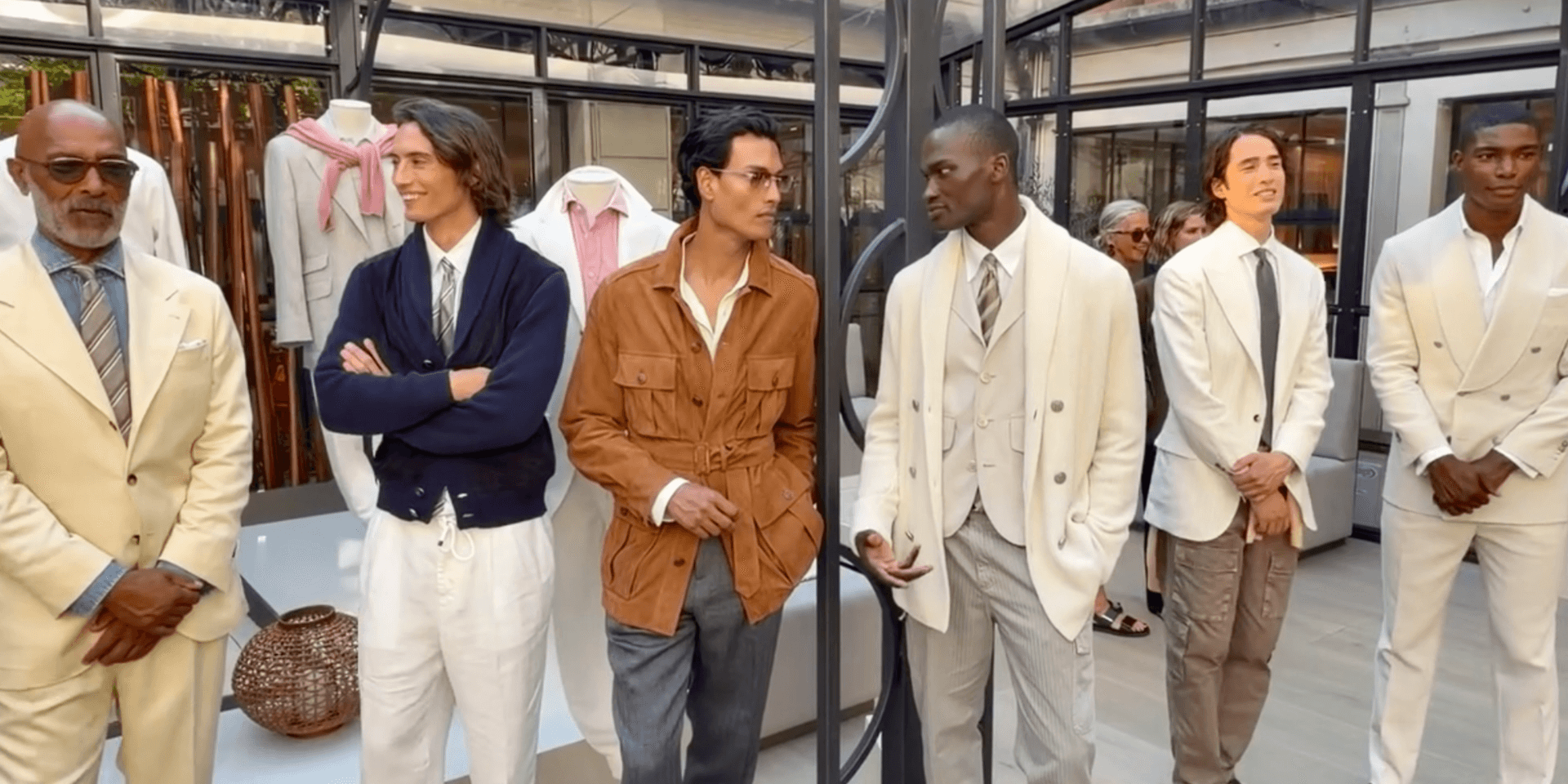
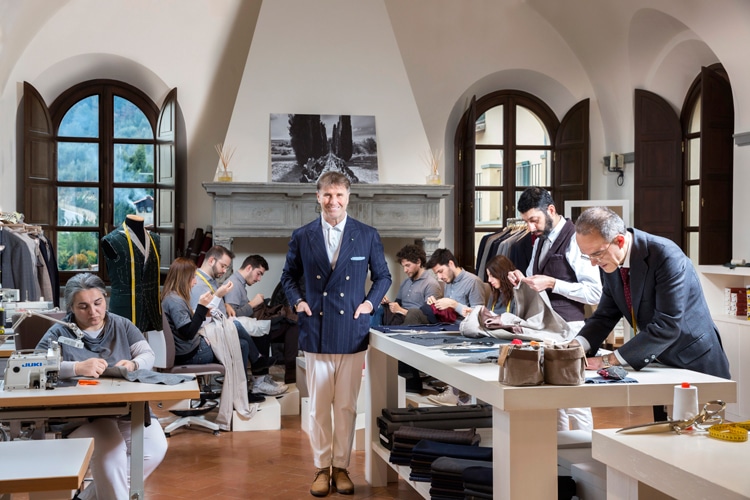
If I ask you to name an Umbrian brand, Brunello Cucinelli will probably be the first on your mind. But that is just the tip of the iceberg.
To understand what sits behind this prestige, we need to go back to a heritage that begins with a tablecloth.
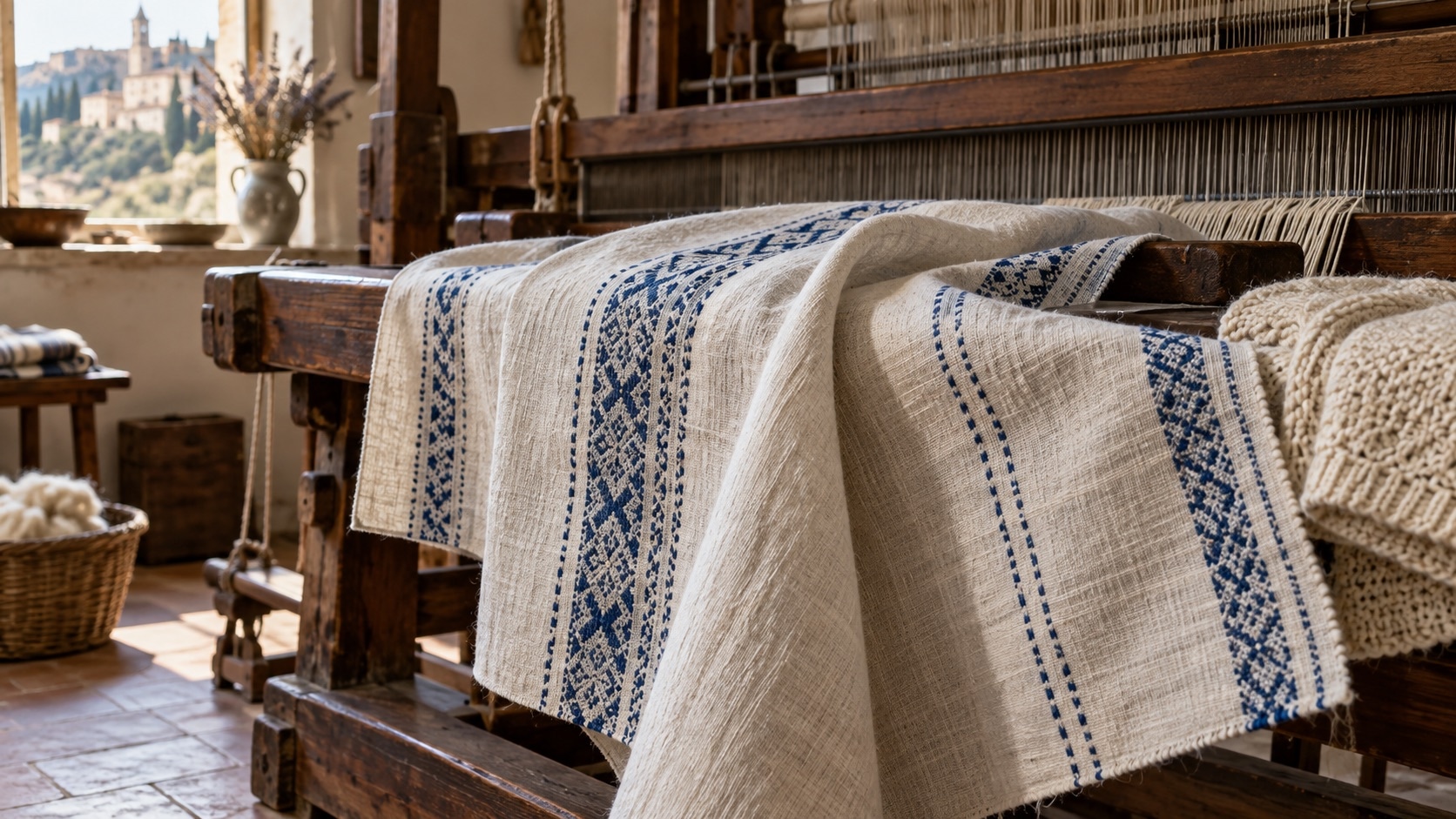
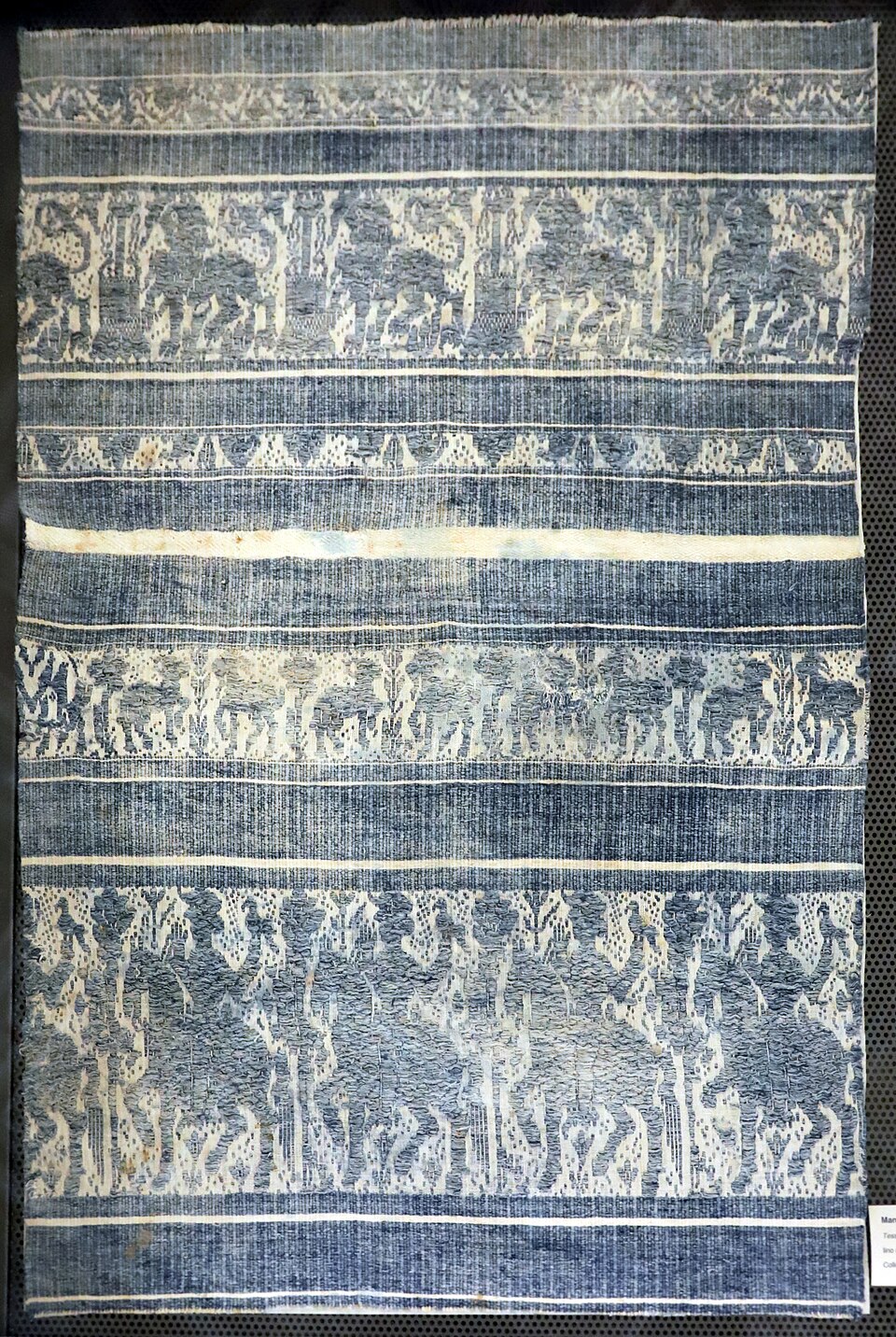
The tovaglie perugine were linen cloths woven with distinctive blue patterns.
They were valuable enough to travel through churches and wealthy households across Europe in the Middle Ages, to be recorded among the possessions in Catherine de’ Medici’s dowry, and to appear in paintings by artists including Giotto, Ghirlandaio and Leonardo da Vinci.
And yet, weaving remained largely in rural homes and convents, where women kept its techniques alive.
There is a curious distance between those two images: a cloth admired across Europe, and a woman weaving in a room that the market had almost ceased to notice.
And what if that knowledge moved out of the home?
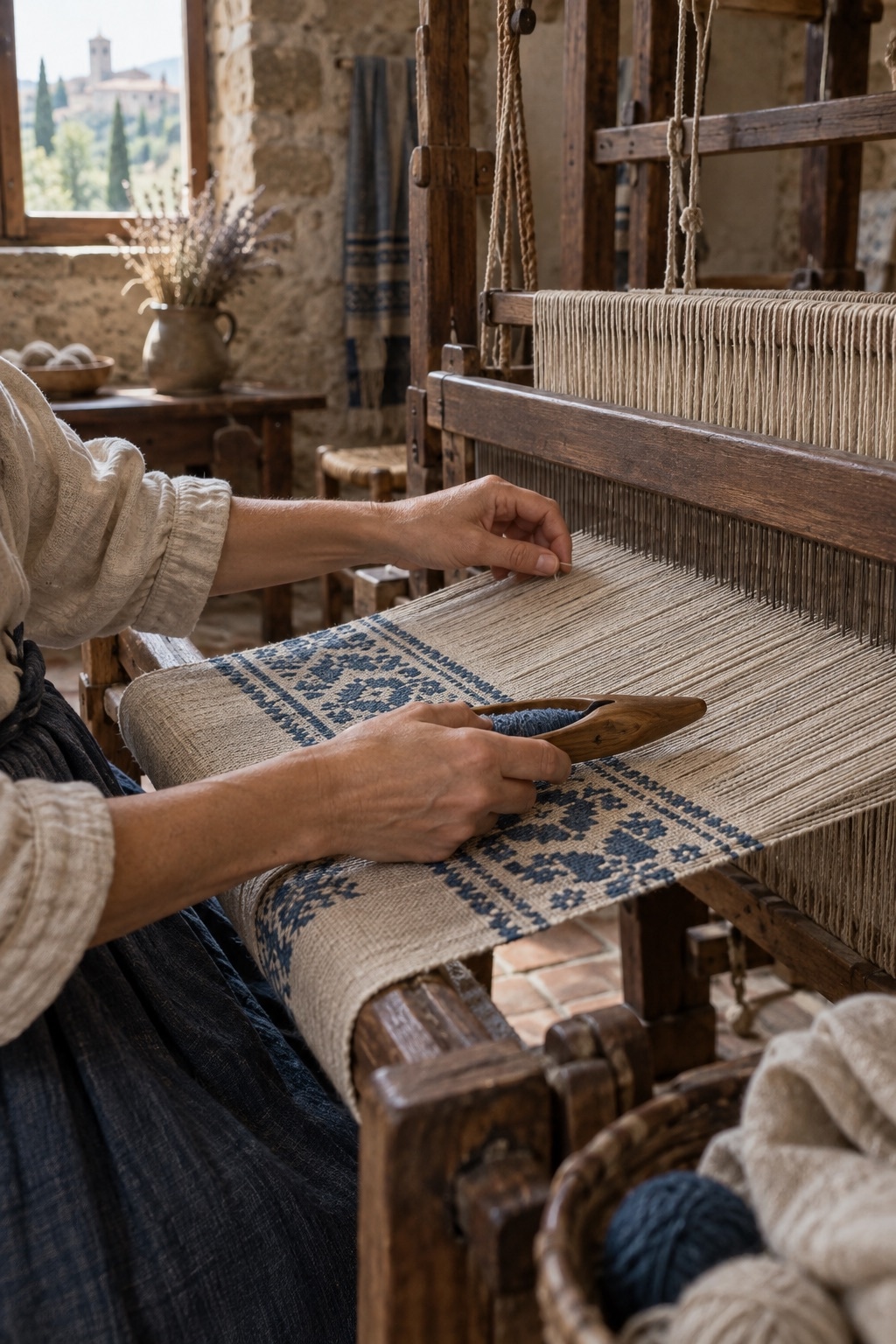
In 1908, Alice Hallgarten Franchetti and her husband Leopoldo founded Tela Umbra in Città di Castello. Alice had seen women weaving in rural households. The skill was already there. She helped create a place where it could become organised work.
One detail says a great deal about what she understood: the workshop included a small school where children could study while their mothers worked. The innovation was also in the conditions around the loom. Women needed the possibility of being there.
In 1921, Giuditta Brozzetti opened a weaving workshop and school in Perugia. She recovered historic Umbrian designs, but the workshop did not remain fixed in the moment she founded it. Her daughter Eleonora developed fabrics for clothing. Clara studied the imagery of the tovaglie perugine. Today, Marta Cucchia brings those techniques into textiles for contemporary interiors.
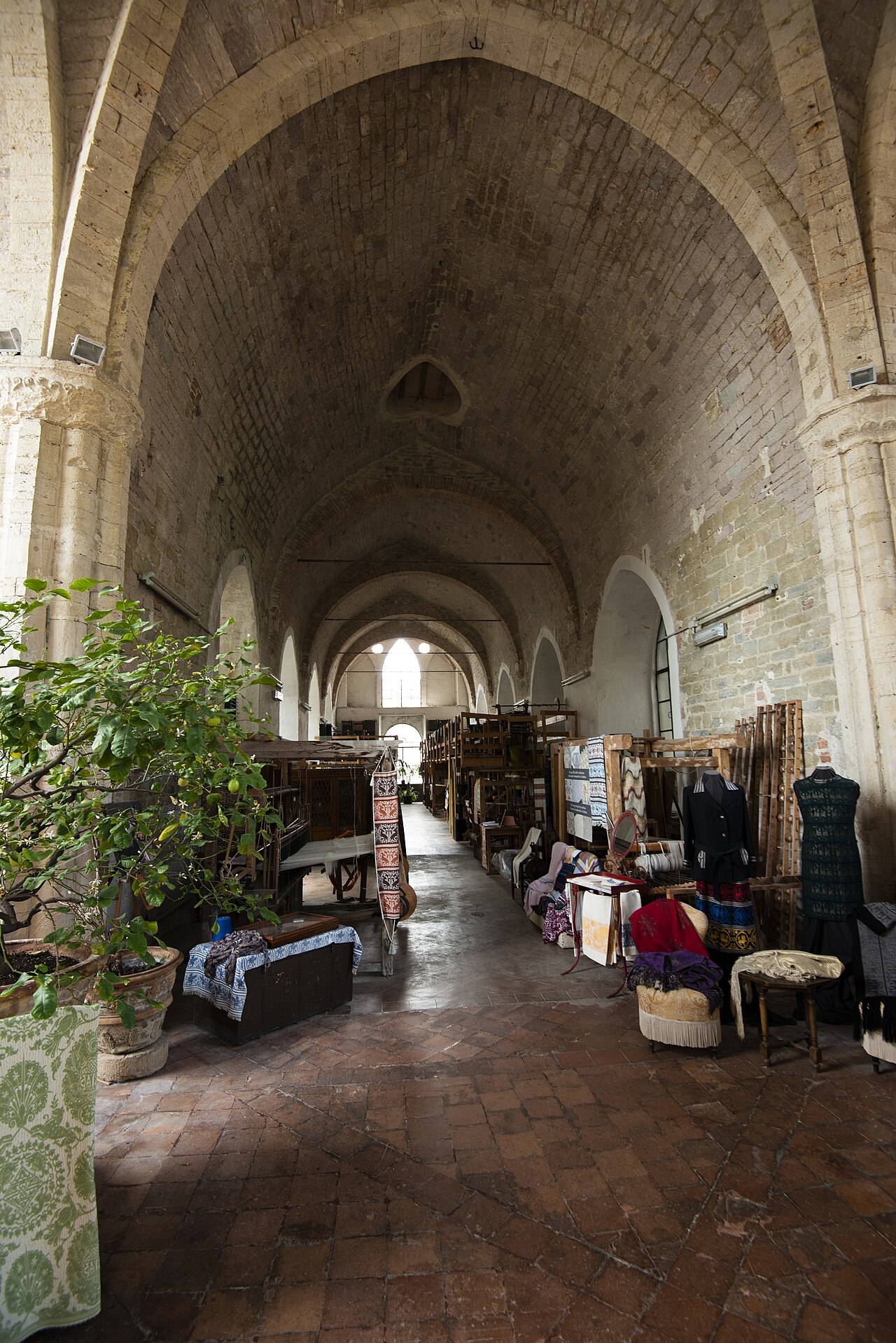
What interests me in this story is that each generation found a creative new path for what it had inherited. The patterns survived because these women kept working with them.
Then the story takes a turn that begins, unexpectedly, with chocolate.
Luisa Spagnoli was already known for her work at Perugina when she began experimenting with angora in the late 1920s.
She chose periodic combing over shearing, selected and blended fibres from rabbits of different ages, and worked towards a finer, more even yarn. Her first experiments drew on the spinning skills of six or seven women who also worked at Perugina.
Here, the change was in the material and in what could be made with it. Luisa saw a possibility in angora, understood which skills were needed to develop it, and brought those women into a new kind of production.
Luisa died in 1935, before the venture became a large industrial company. Her son Mario led that expansion. But the knowledge developed around the company did not stay inside it.
Luisa Spagnoli · From angora to knitwear
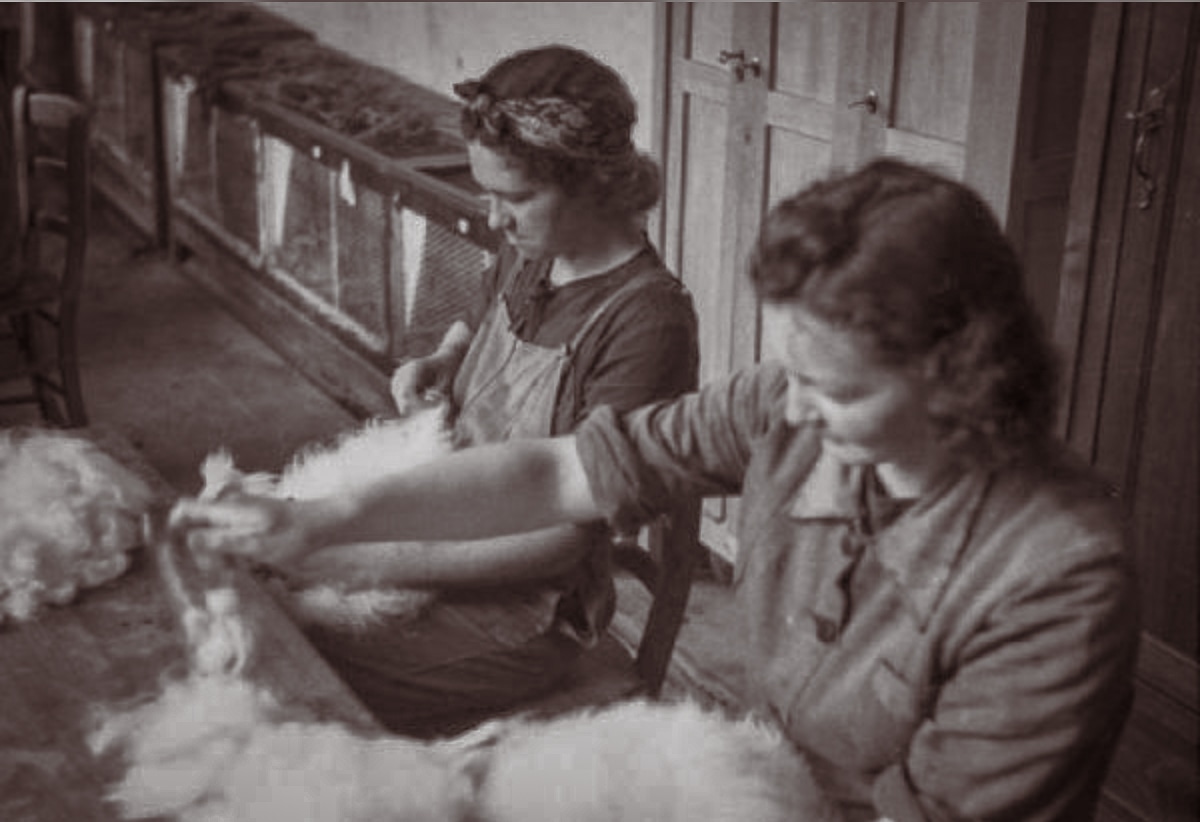
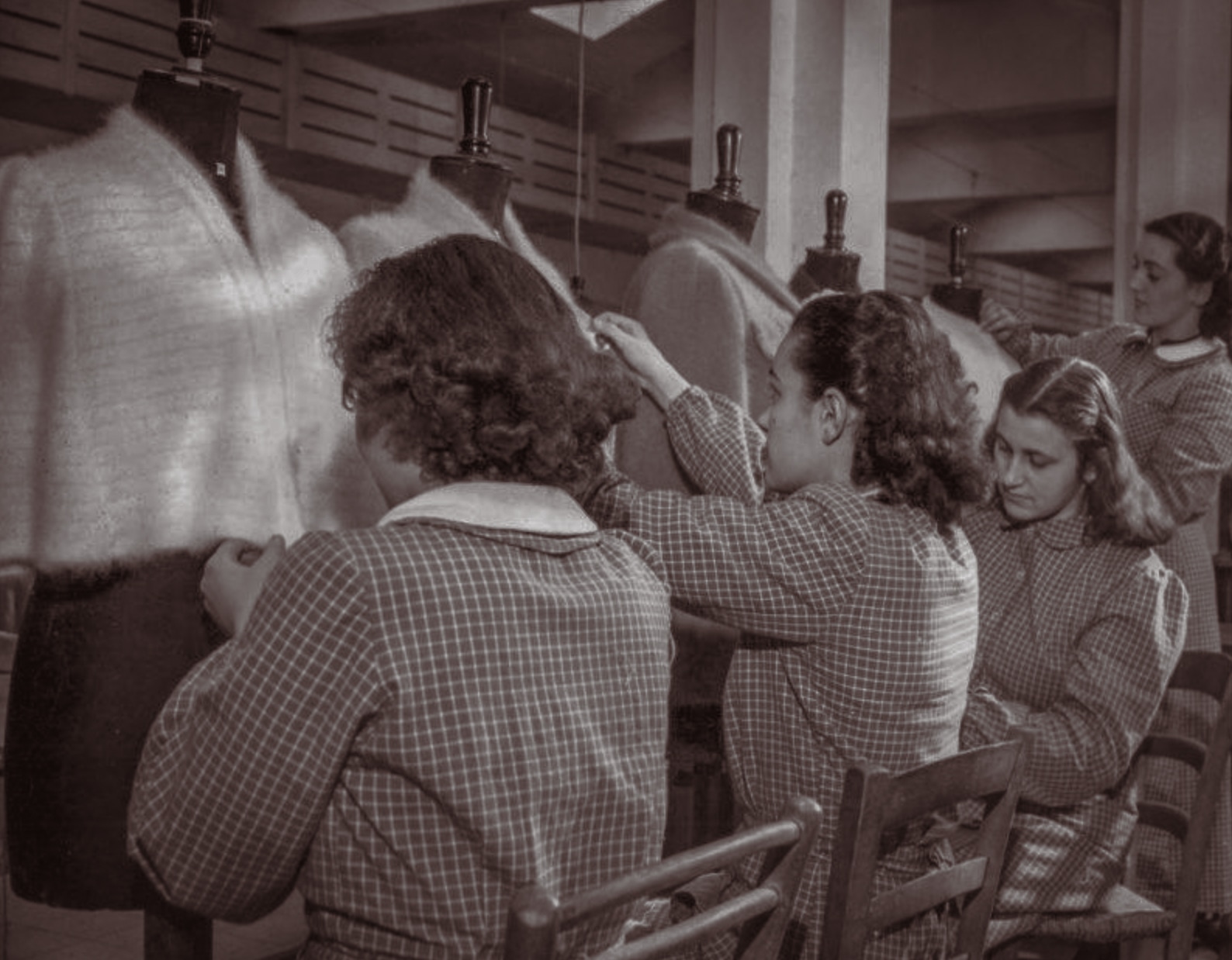
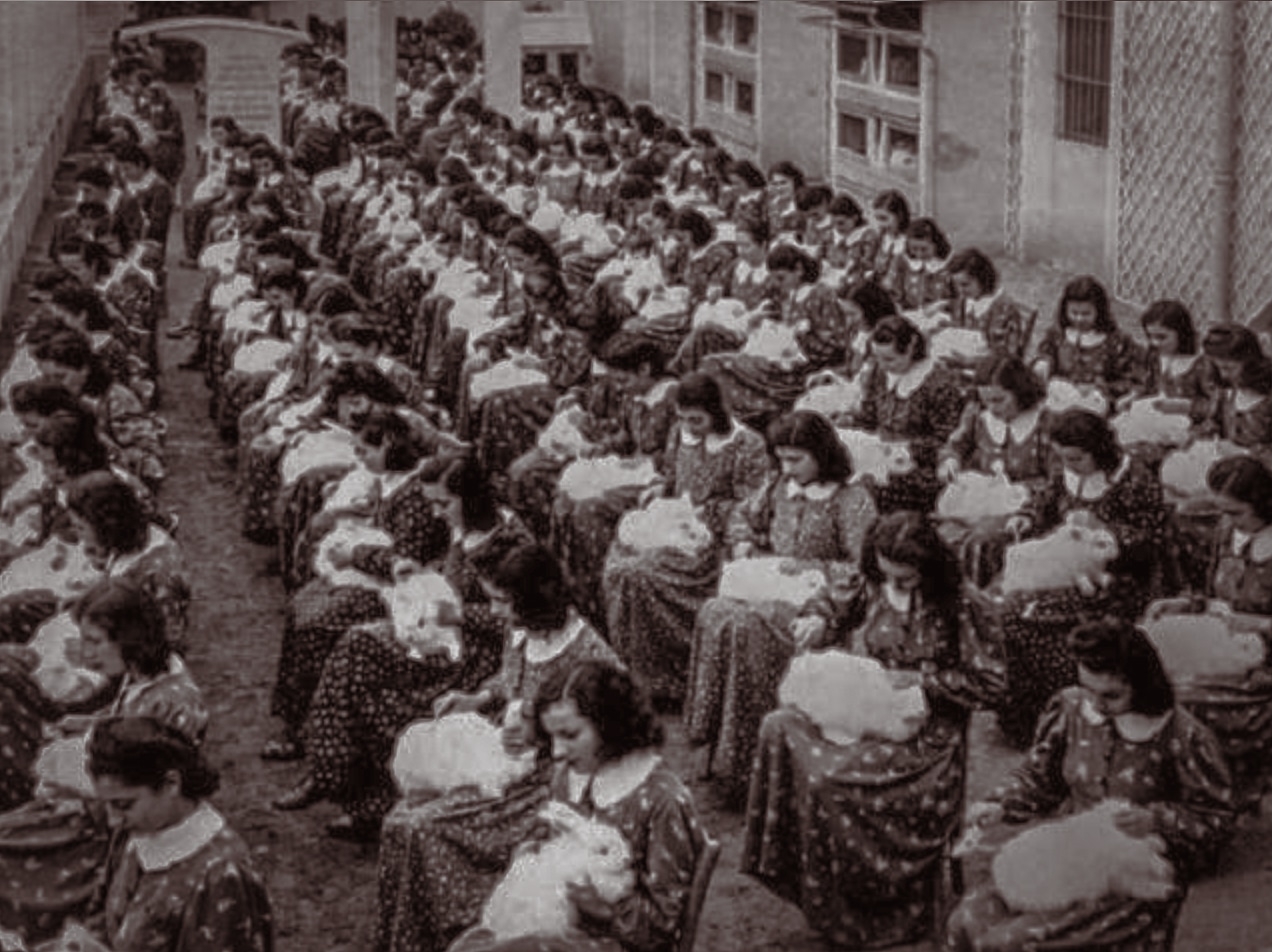
This is where the connection to cashmere becomes more concrete. Soliera, who had trained at Luisa Spagnoli, later founded a knitwear business with her husband. That business became Panicale Cashmere. Iside Bellucci also worked with the Luisa Spagnoli company before founding Carloni Maglierie with her husband.
The linen tablecloth did not turn into a cashmere sweater. The materials, techniques and businesses changed. But women kept finding ways to take a skill beyond the place where they had learned it: into a workshop, a different product, or a company of their own.
And this is where the story becomes bigger than a few exceptional women.
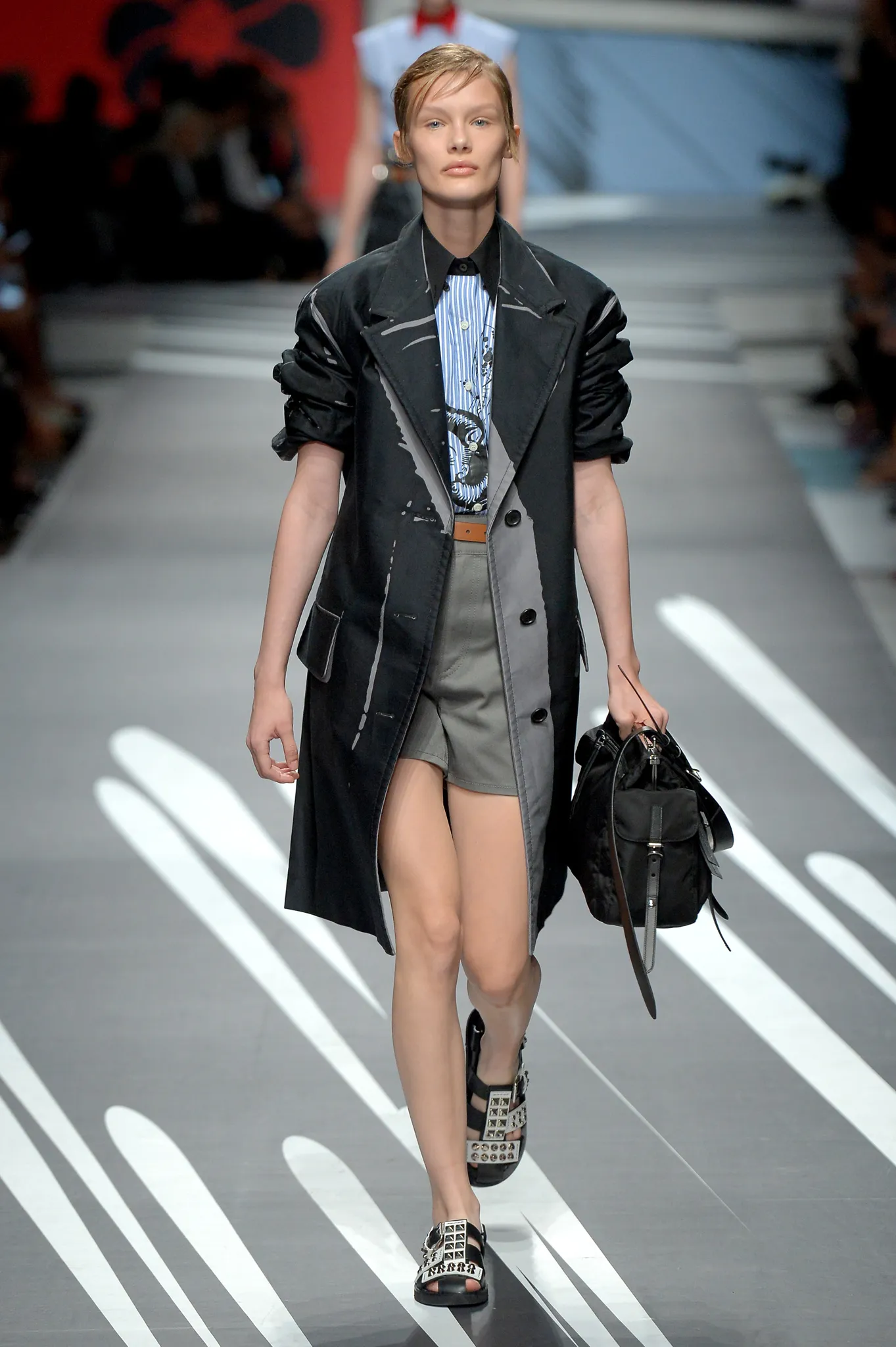
At Prada Group’s knitwear facility in Torgiano, women made up 72% of the workforce in figures the company presented in 2024. That tells us about one factory, not every business in Umbria. Still, it brings the question into the present.
When we admire a region’s reputation for making things well, how much of the work that sustains it do we actually see?
We often tell the story of Italian fashion through a designer’s name, and designers matter. But the €821 million figure tells the story of an entire region working in the shadows, a region we often forget exists and perhaps the most precious part of the story.