How can you tell if cashmere is actually good quality from an e-commerce page?
The easiest answer would be: touch it. But that is exactly where buying cashmere online gets tricky.
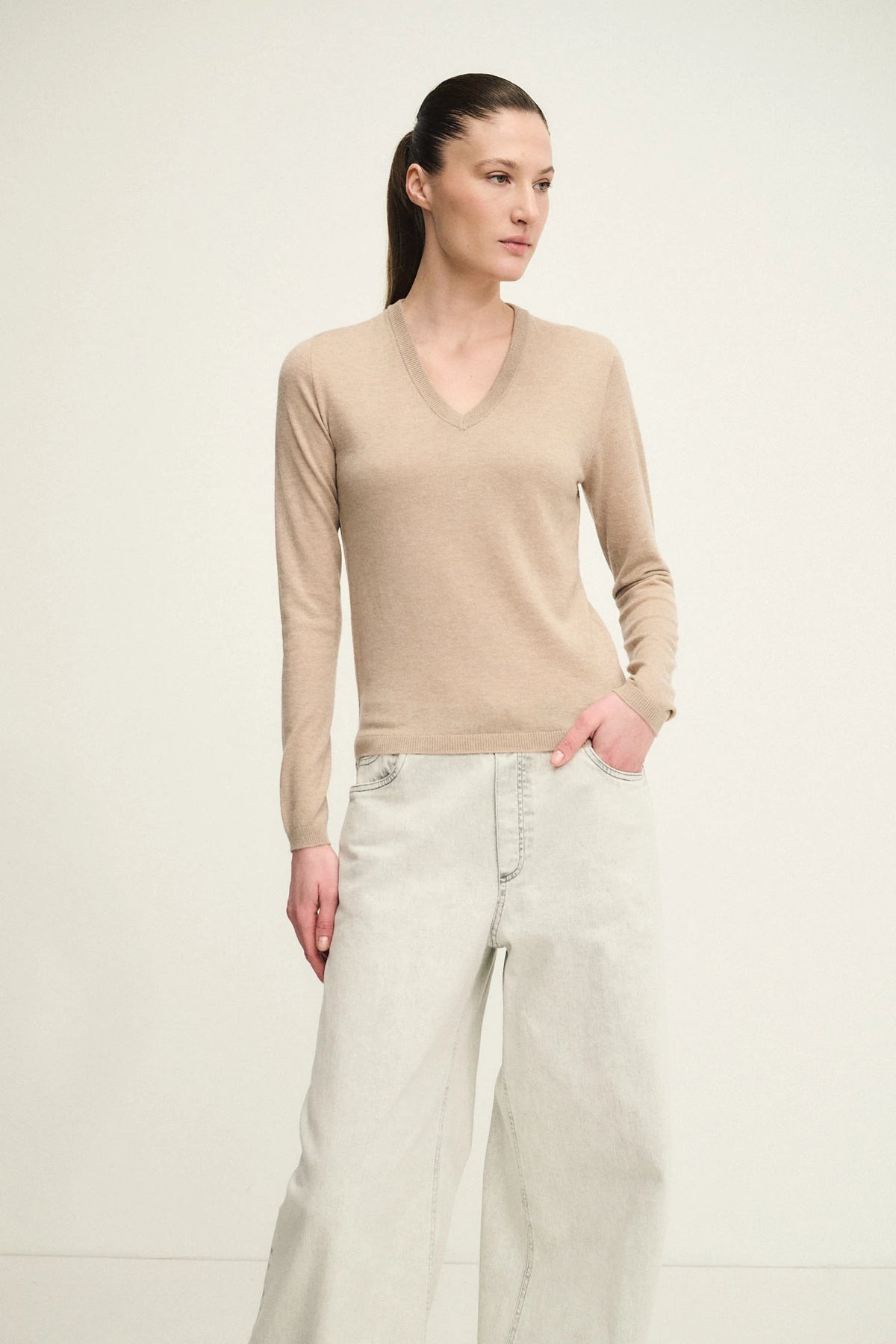
Because very soft cashmere is not always the best cashmere. Some lower-quality pieces can feel incredibly soft at first because the fibres have been heavily brushed or treated to create that immediate feeling of softness.
And online, you cannot even test that.
good cashmere starts long before the sweater is knitted.
The real problem usually appears later, when the sweater starts to pill excessively, lose shape or look tired after only a few wears.
So if softness is not enough, what should we actually look for?
A good place to start is the fibre itself.
The fibre
Cashmere comes from the fine undercoat of cashmere goats, with some of the most prized fibres traditionally sourced from regions such as Mongolia and Inner Mongolia.
The best fibres are valued for a combination of fineness, length, cleanliness and uniformity.
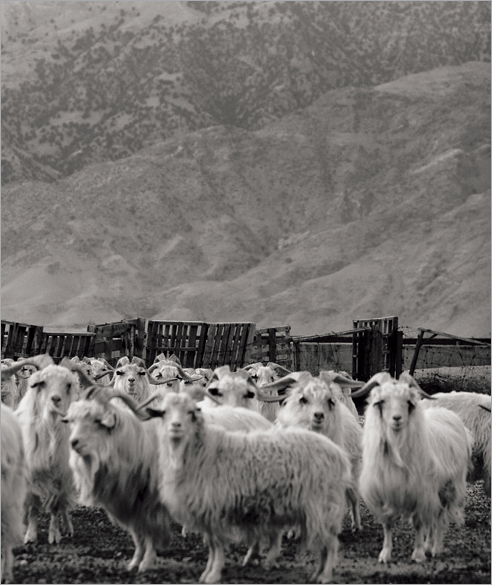
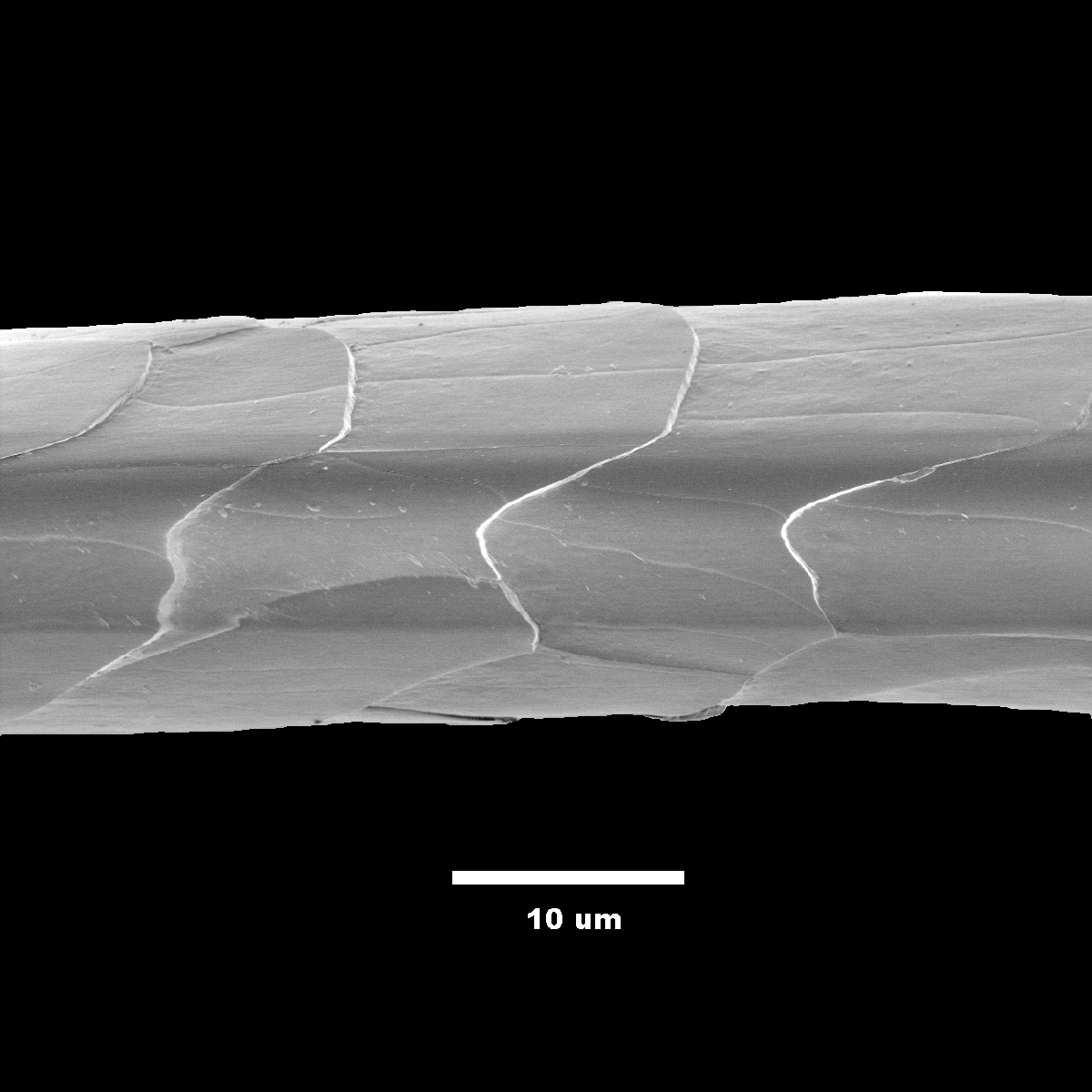
Loro Piana, for example, has built much of its expertise around selecting very fine Mongolian cashmere, while its Baby Cashmere can reach around 13.5 microns in diameter.
But fineness alone is not enough.
Length matters too.
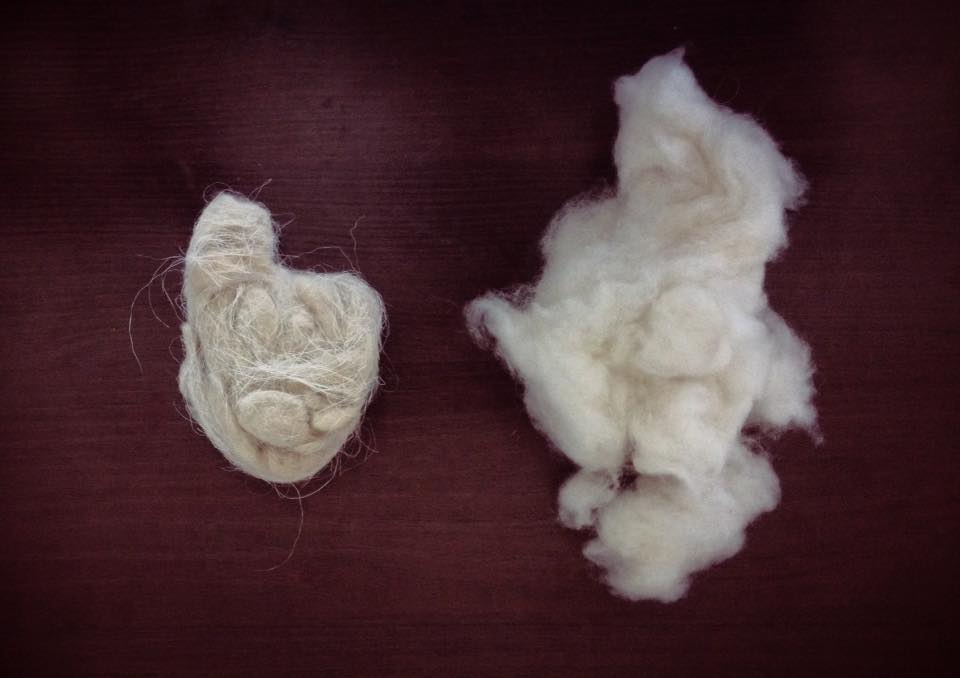
Longer fibres tend to create stronger, smoother yarns that are less prone to excessive pilling because more of the fibre stays anchored inside the yarn instead of working its way out through friction.
This is why some of the best Italian yarn producers talk so much about fibre selection before they even talk about the finished sweater.
Cariaggi, for example, has been spinning cashmere in the Marche since 1958 and is one of Italy’s best-known specialist yarn producers.
And this tells us something important:
good cashmere starts long before the sweater is knitted.
It starts with the raw fibre.
Then comes the yarn.
Then the knitting.
Then the finishing.
And every step can change the final result.
The knit
So what can we actually judge from an e-commerce page?
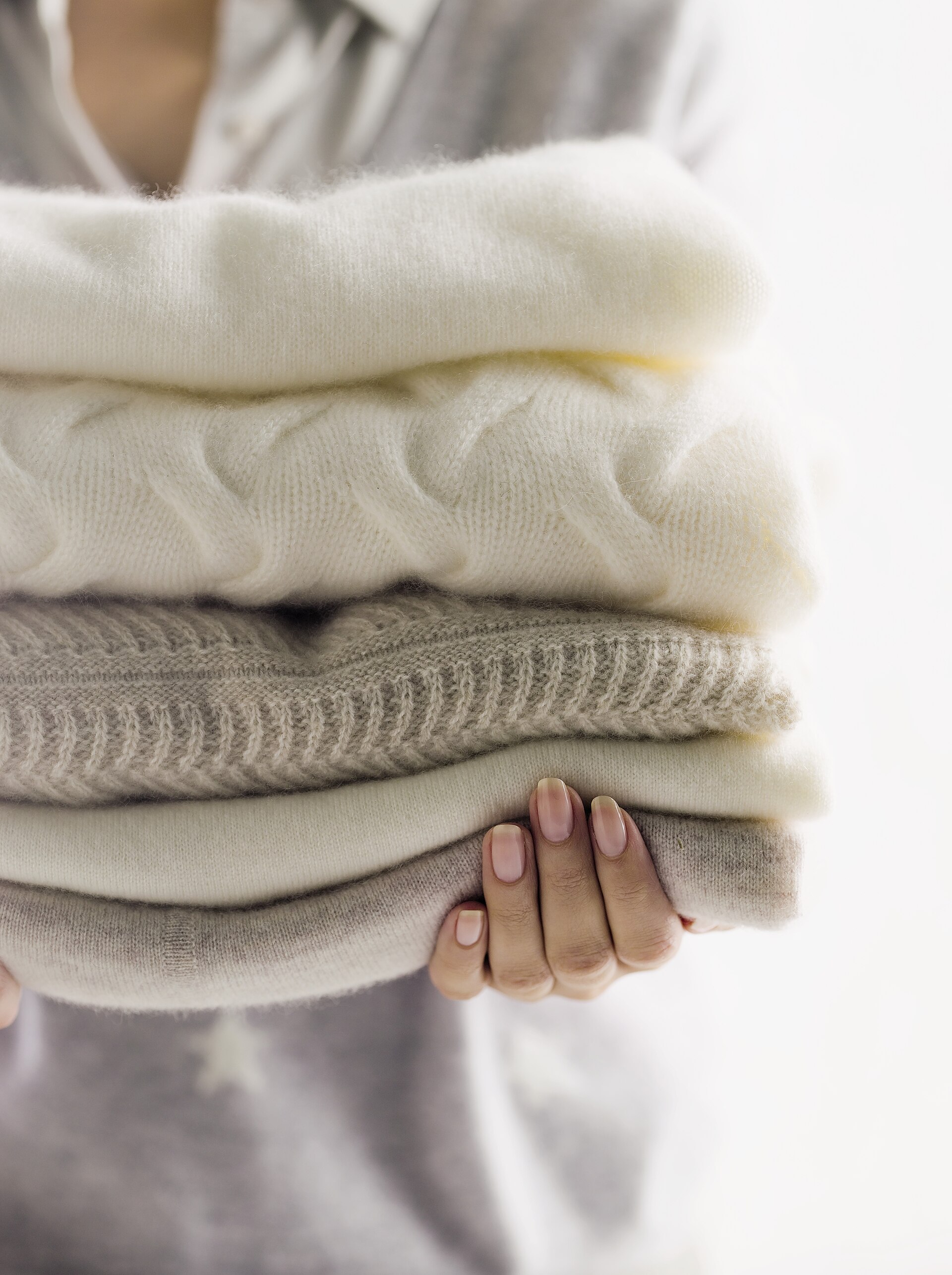
First, zoom in.
Look at the surface of the knit.
Good cashmere can have a soft halo, but if the sweater already looks extremely fuzzy or excessively brushed in the product photos, that can be a warning sign.
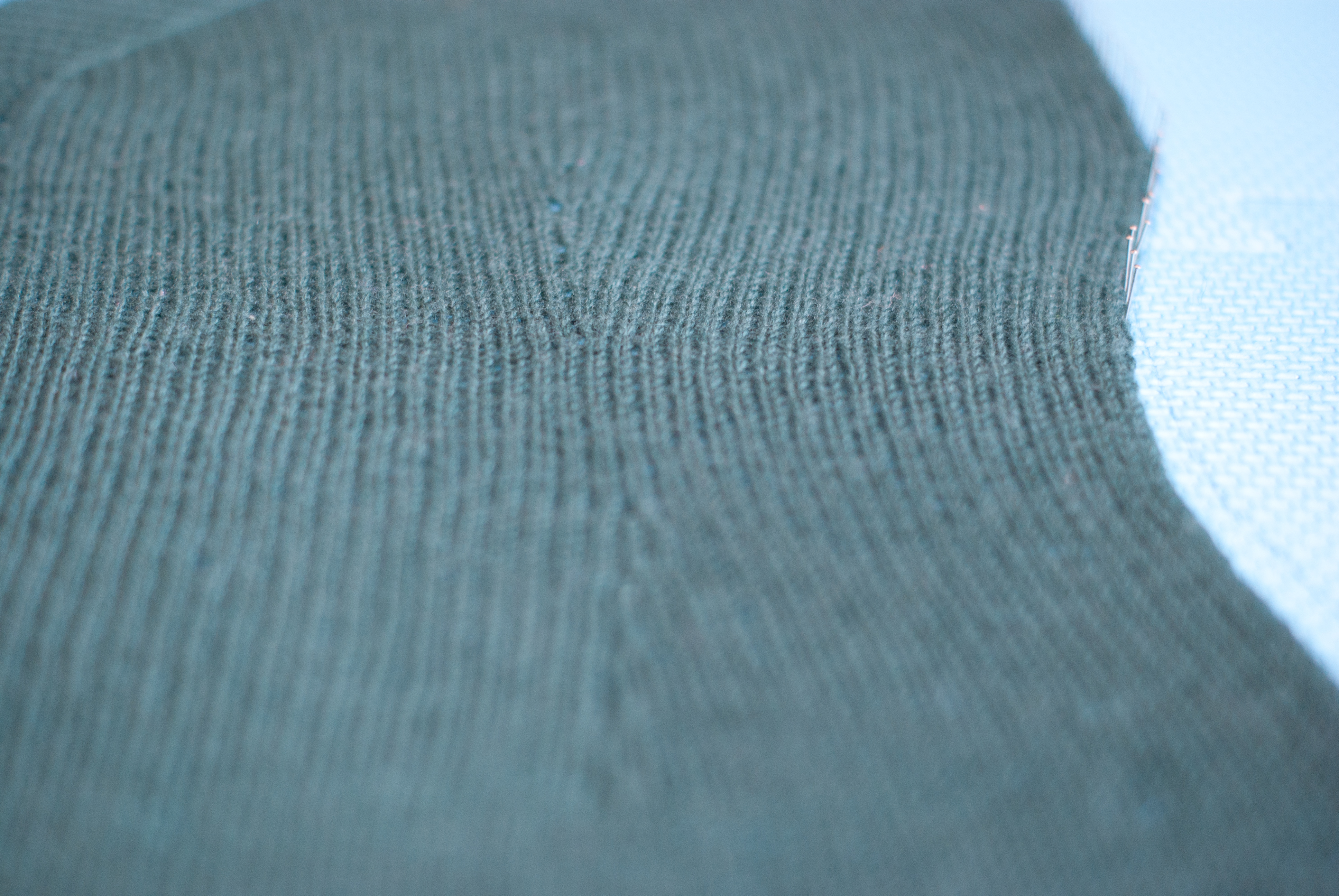
A very fluffy finish can sometimes hide shorter fibres and create softness that does not necessarily translate into longevity.
Then look at the knit itself.
The stitches should look even and controlled, not loose and limp.
A lightweight cashmere sweater can still be excellent, but lightweight is not the same as loosely knitted.
Good construction should still give the fabric coherence and enough tension to hold its shape.
The CCMI specifically warns that loosely knitted, limp fabric can be a sign of cheaper construction.
This is where product photography can actually tell you quite a lot.
Look at the cuffs.
The hem.
The neckline.
The shoulder seams.
Do they hold a clean shape, or do they already look stretched and wavy?
Look at how the sweater falls on the model.
Even when it is soft and lightweight, does it still hold a clear shape, or does it seem to collapse completely?
The label
Then check the product description.
Does the brand tell you anything beyond “100% cashmere”?
Where is the fibre from?
Who spun the yarn?
Is the yarn carded or combed?
How many plies?
Where was the garment knitted?
The more a brand tells you about these steps, the less you have to judge quality from “100% cashmere” alone.
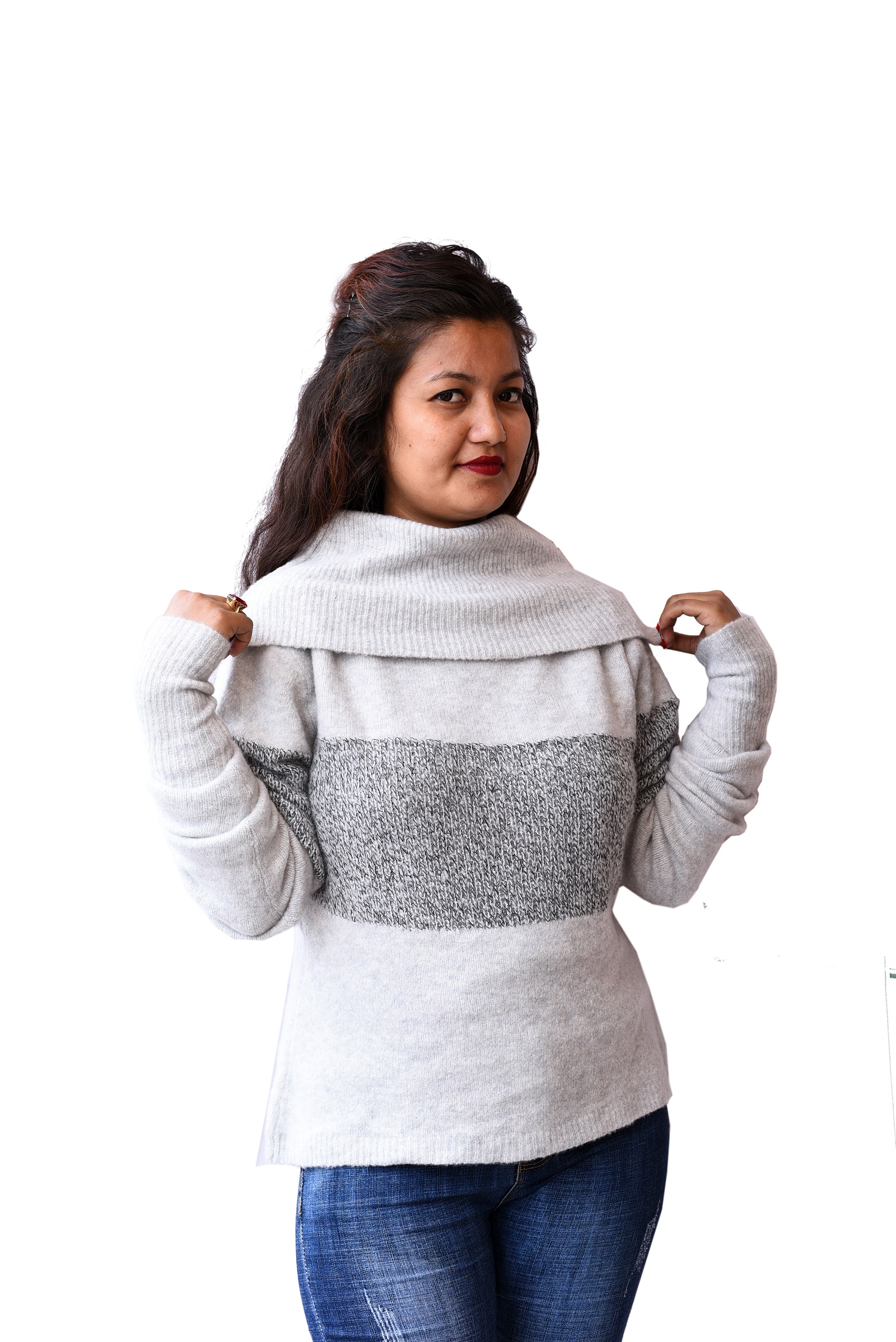
And do not assume that a sweater made with more strands of yarn is automatically better.
“Two-ply” simply means that two strands of yarn have been twisted together to make a single yarn.
A sweater made with two high-quality strands can still be better than a heavier sweater made with three or four lower-quality ones.
More plies can change the weight, thickness and structure of the knit.
They do not automatically mean better cashmere.
Another useful clue is the producer behind the yarn.
In Italy, some of the most respected names in cashmere are not always the names consumers see on the final label.
They are the mills and spinners behind the garment.
Cariaggi is one of them.
Loro Piana is another major reference because it controls an unusually large part of the chain, from sourcing the fibre to spinning yarn and producing finished garments.
In your hands
And what if you are buying it in store?
Then you can use your hands.
Touch it, but do not let softness fool you.
Good cashmere should feel soft, but not artificially fluffy or almost slippery.
Extreme softness can sometimes come from finishing treatments rather than from better fibre.
Stretch it gently.
The knit should recover its shape instead of staying loose or distorted.

Rub the surface lightly.
A little pilling can happen even with good cashmere, especially in high-friction areas.
But if fibres already start lifting aggressively in the store, that can be a warning sign.
Look at the knit against the light.
You should not see an excessively open, loose structure unless the garment was intentionally designed that way.
Check the seams and edges.
The cuffs, neckline and hem should feel stable and well finished, not weak or already stretched.
Then look beyond the sweater itself.
Ask about the yarn.
Ask where it was made.
Ask if the store knows the mill or spinner behind it.
Ask whether the garment was knitted in Italy, Scotland, Mongolia or somewhere else.
And maybe that is the easiest way to think about quality: the more steps of the process you can understand, the less you have to rely on the label alone.
A good retailer should be able to tell you more than just “100% cashmere”.
And maybe that is the easiest way to think about quality:
the more steps of the process you can understand, the less you have to rely on the label alone.
Because two sweaters can both say “100% cashmere” and still be completely different products.
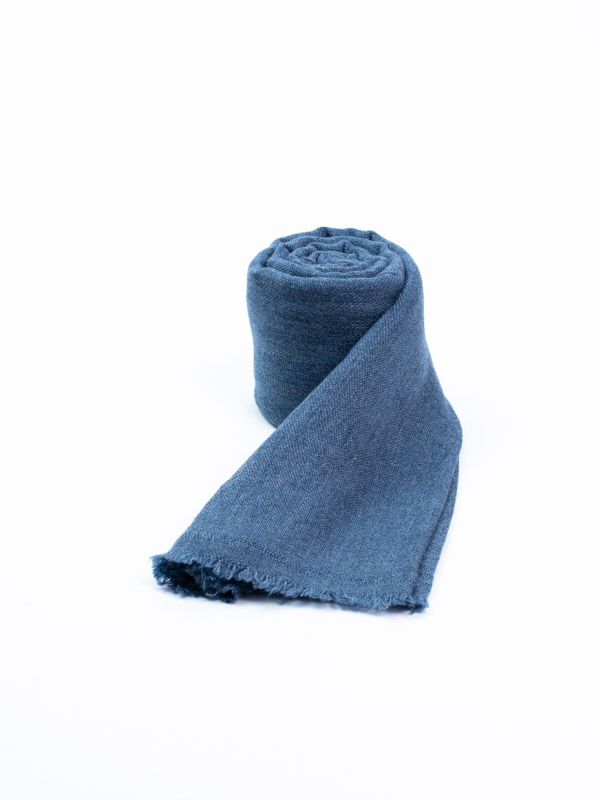
One may be made from longer, finer fibres, tightly and evenly knitted, carefully finished and designed to last.
The other may simply be engineered to feel impressive for the first ten seconds.
So online or in store, the useful question remains the same:
What happened to this cashmere before it became a sweater?
Because the label tells you what the material is.
It does not tell you how good it is.