Most of what tourists carry home from Italy was never touched by an Italian hand. It was printed, moulded, and boxed far away, then set on a shelf near a landmark. The real thing still exists. It is just quieter, and it rarely sits where the crowds do.
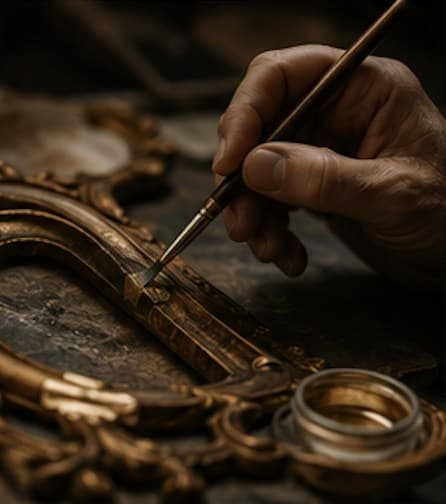
Authentic Italian craft lives in workshops, not in gift shops. A ceramist in Deruta who paints one plate at a time. A leather worker in a Florence courtyard whose family has cut the same patterns for three generations. A weaver in Umbria who still counts the threads. They do not shout. They are usually a few streets, or a few hills, from the postcard view.
The signals of the real are consistent. There is a name attached, a person you could meet. There is a place, a specific town, not a vague "Italy". There is time in the object, the sense that it took longer than it needed to. And there is a story that predates you, a way of working that did not begin when you walked in.
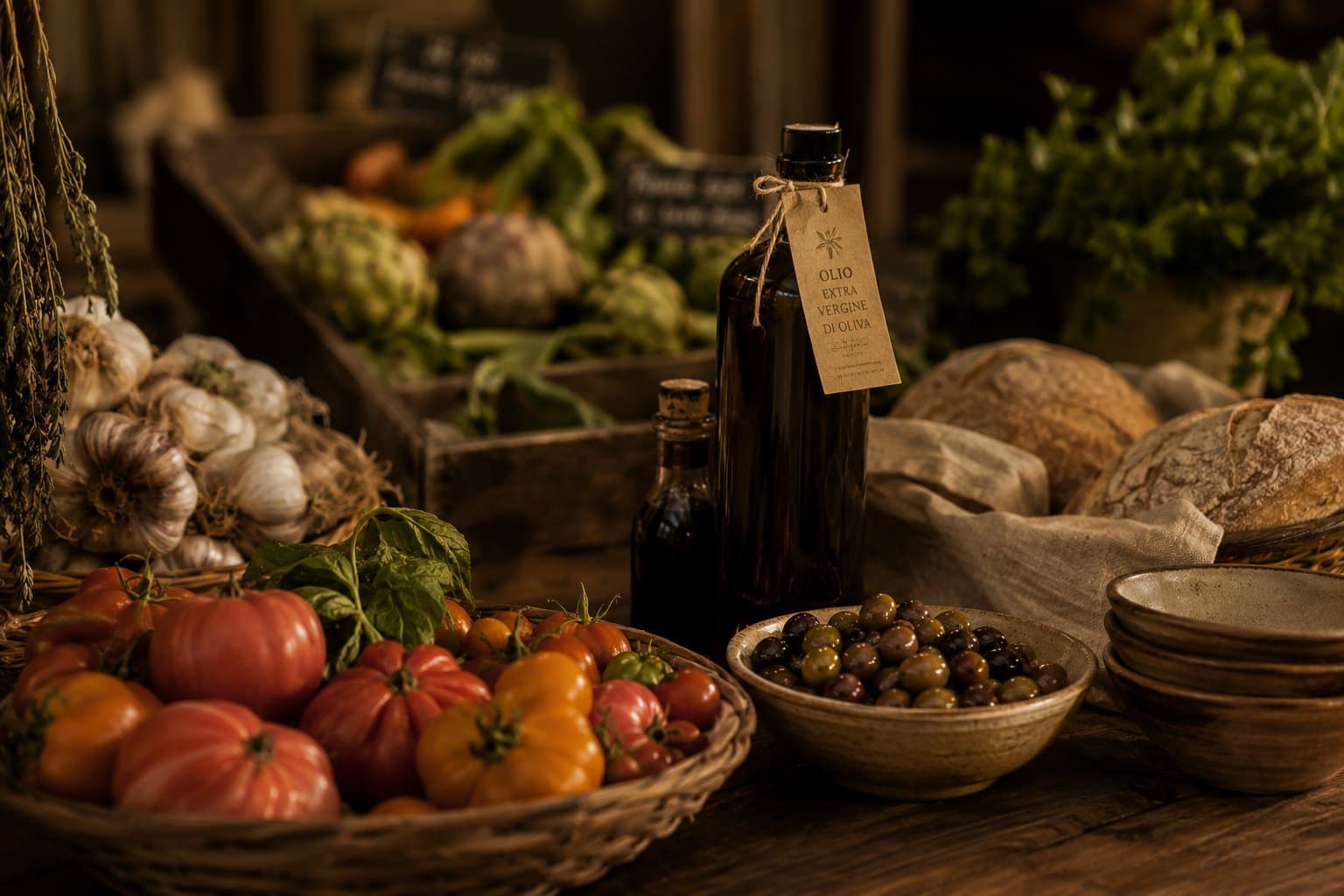
Tuscany and Umbria are a good place to start, and not only in the corners everyone already knows. Past the Chianti vineyards there are alabaster carvers in Volterra, paper marblers, small cellars where the land still signs the bottle. In Umbria, Deruta has painted majolica for six centuries, Gubbio keeps its old trades, and the olive groves belong to families, not brands.
The most honest way in is to meet a maker while they work. Sit at their table, use your hands, ask why they still do it the slow way. You leave with more than an object. You leave with the reason it exists.